
Fashion Design School of Design
Philip McCallum

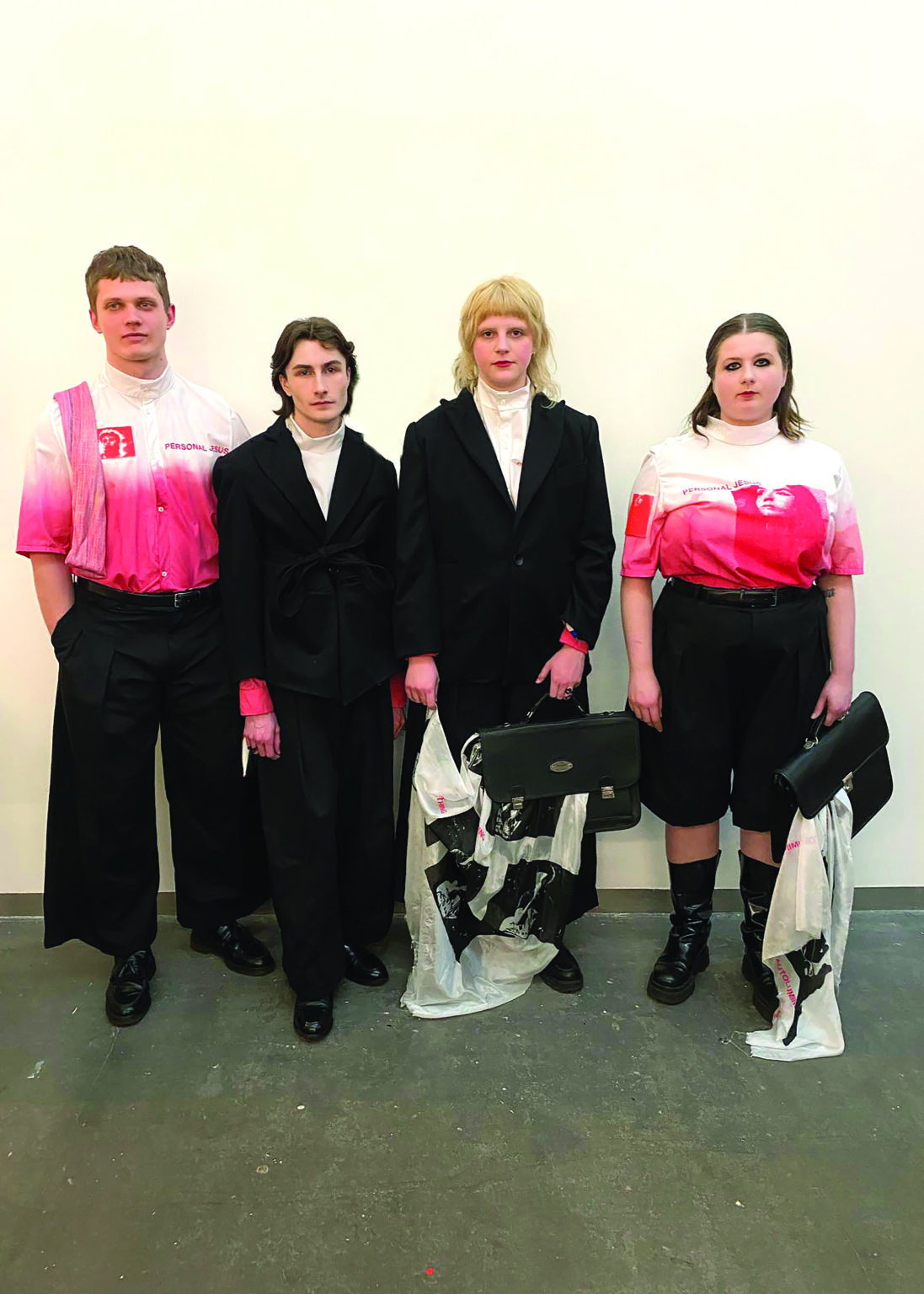
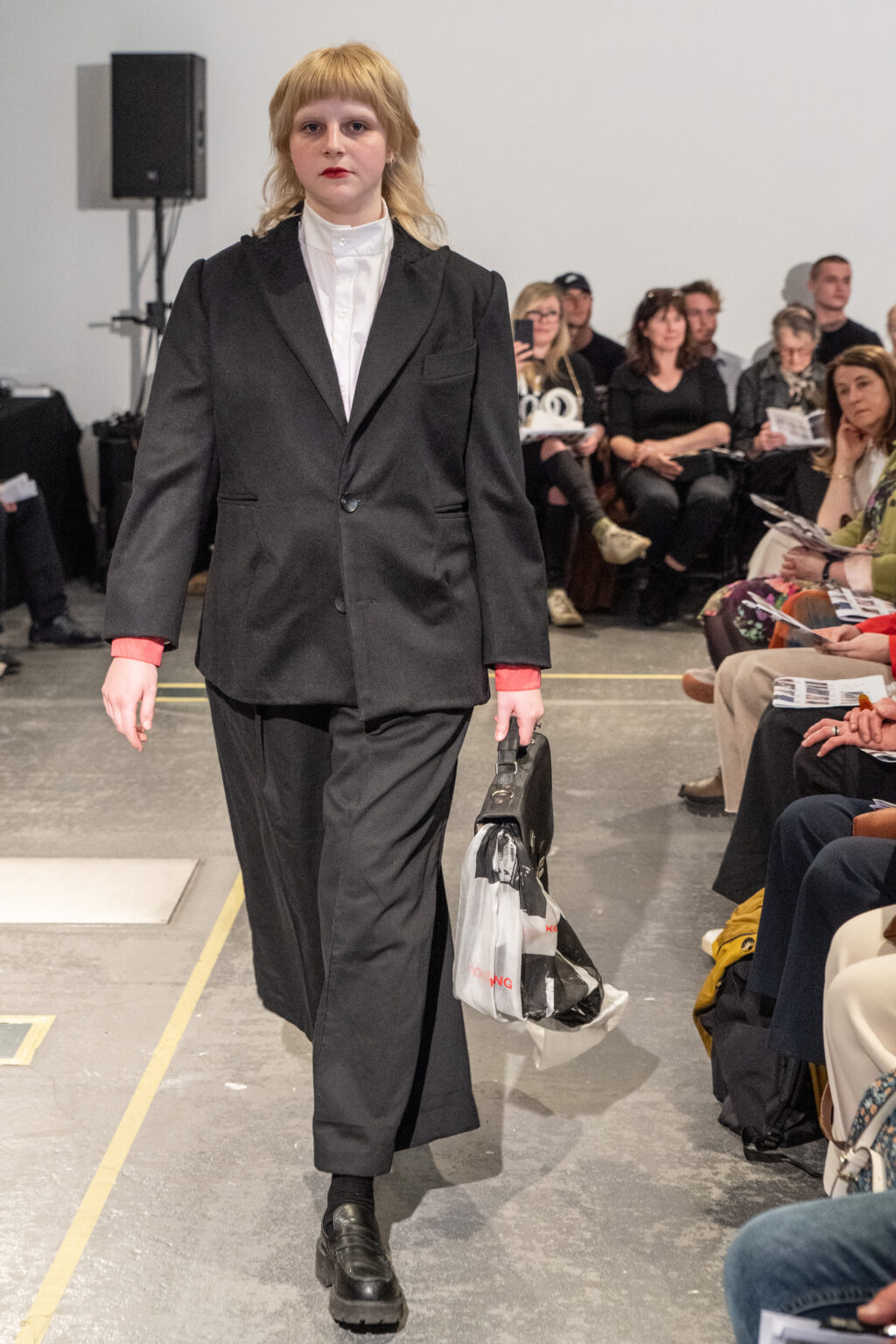
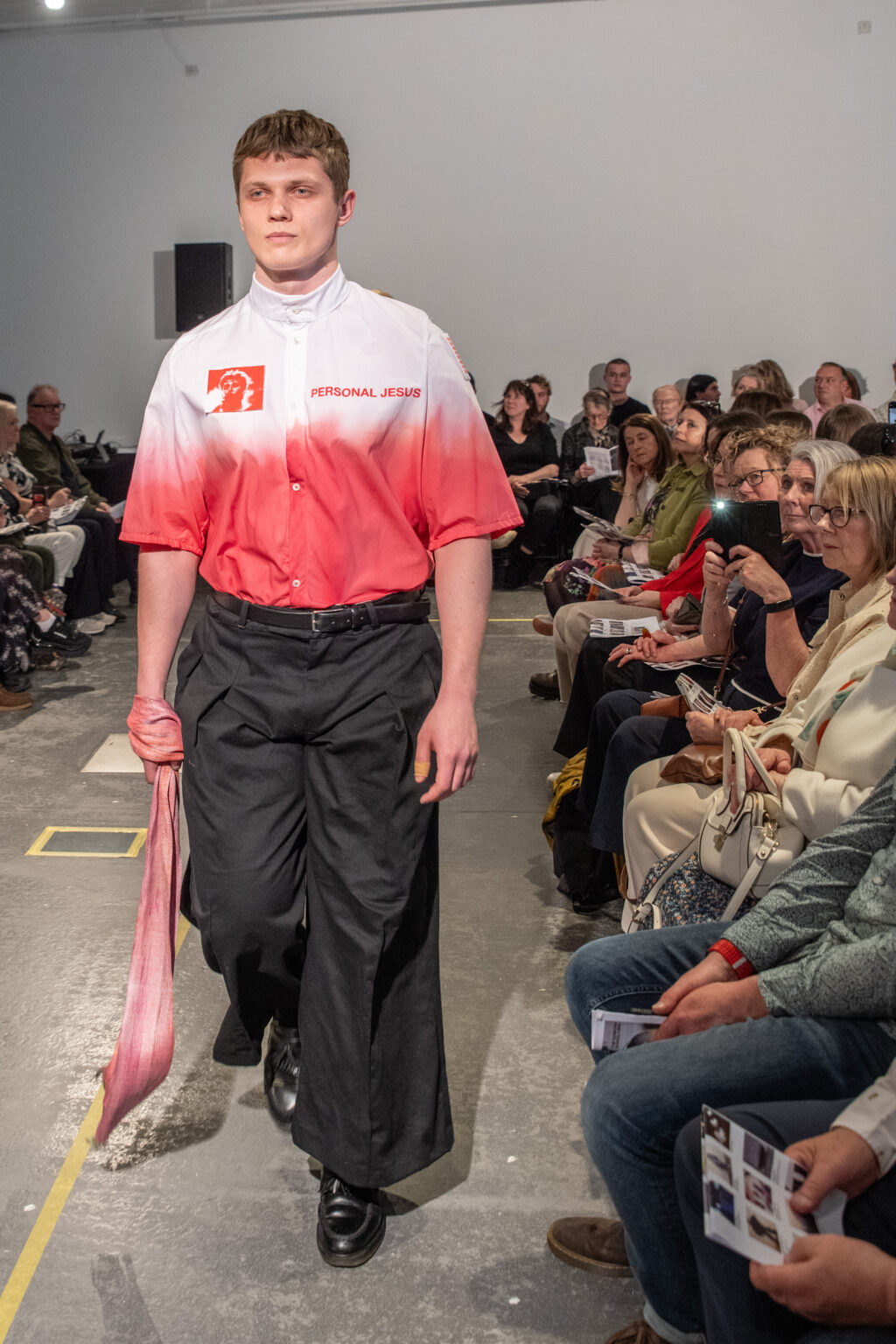
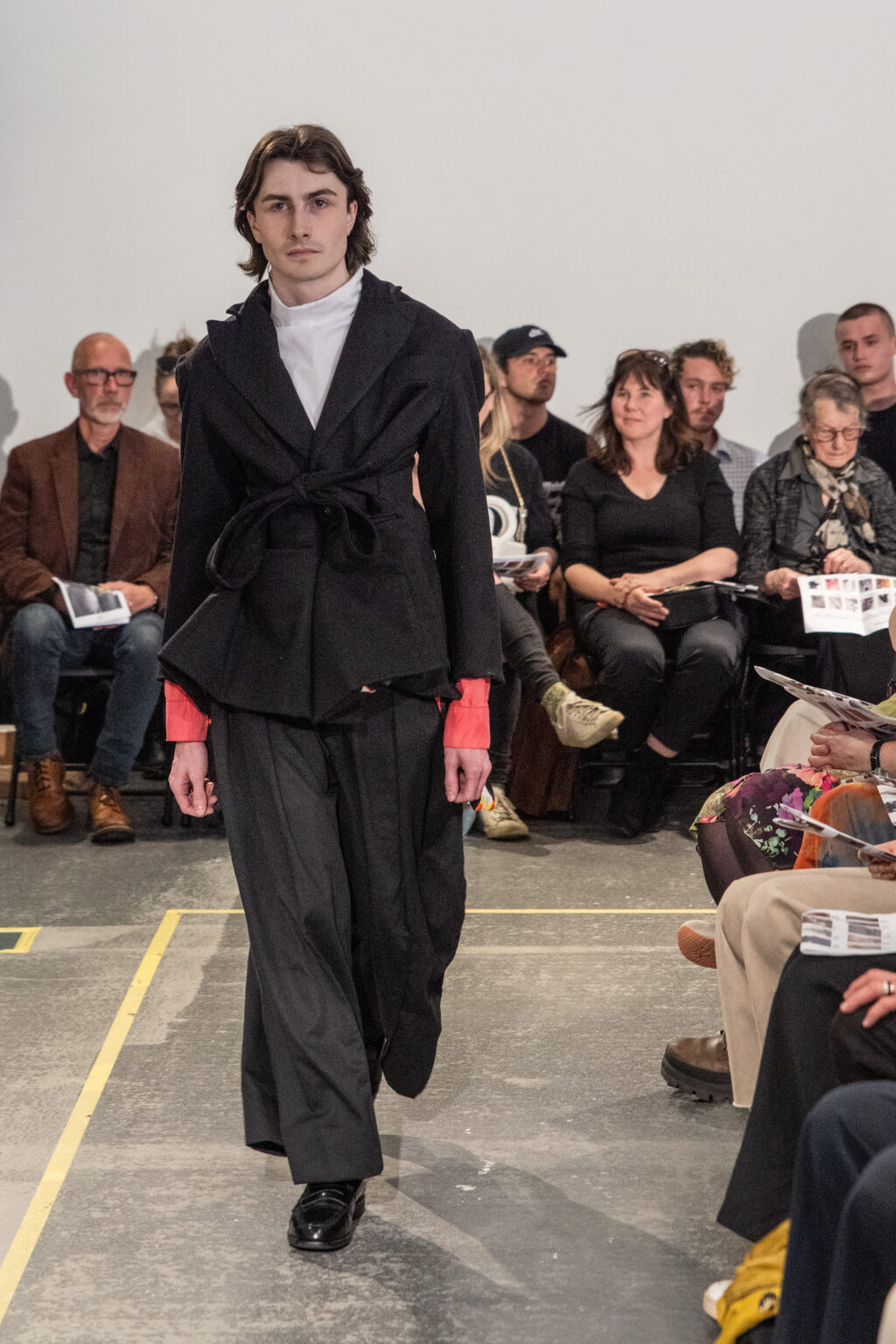
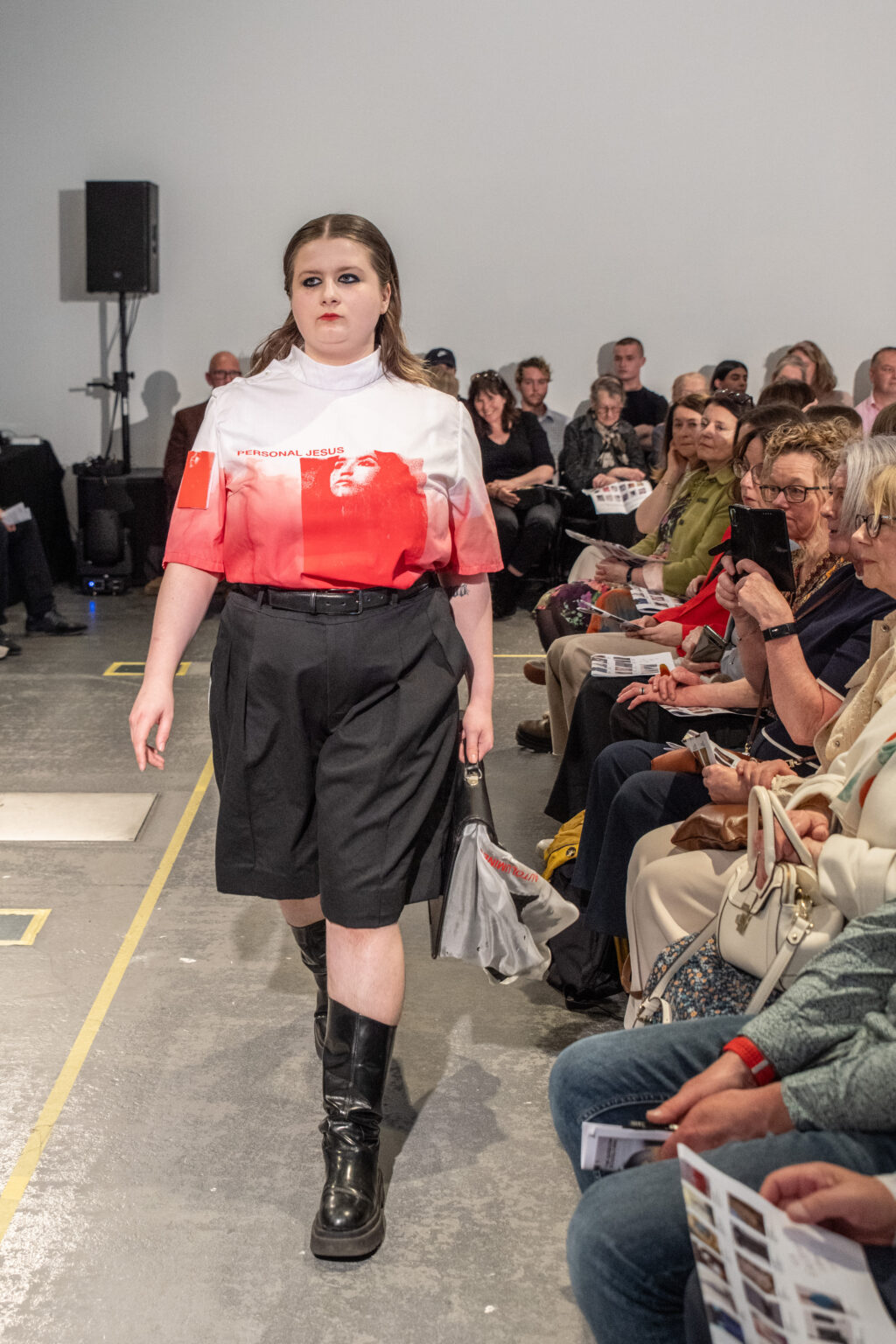
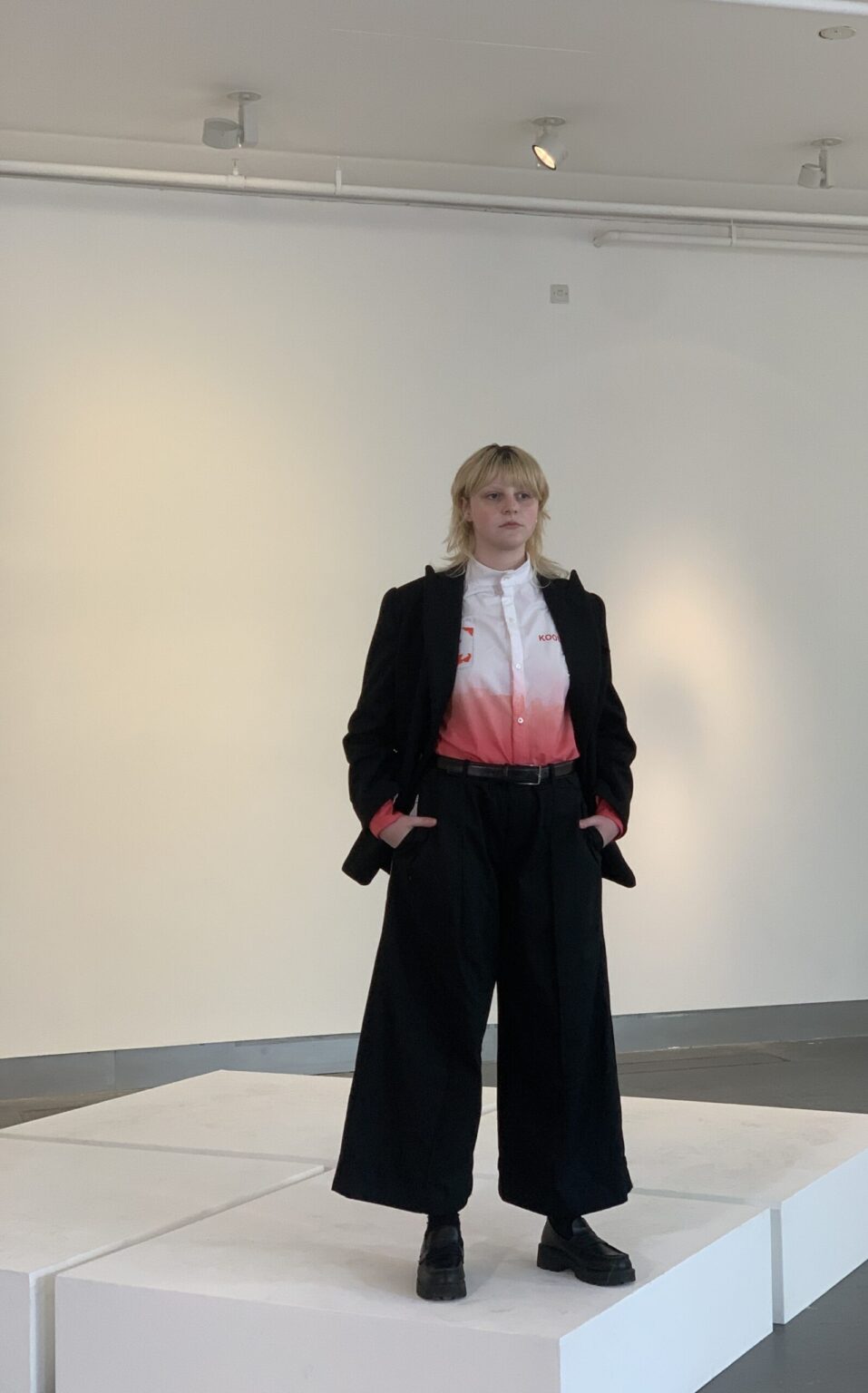
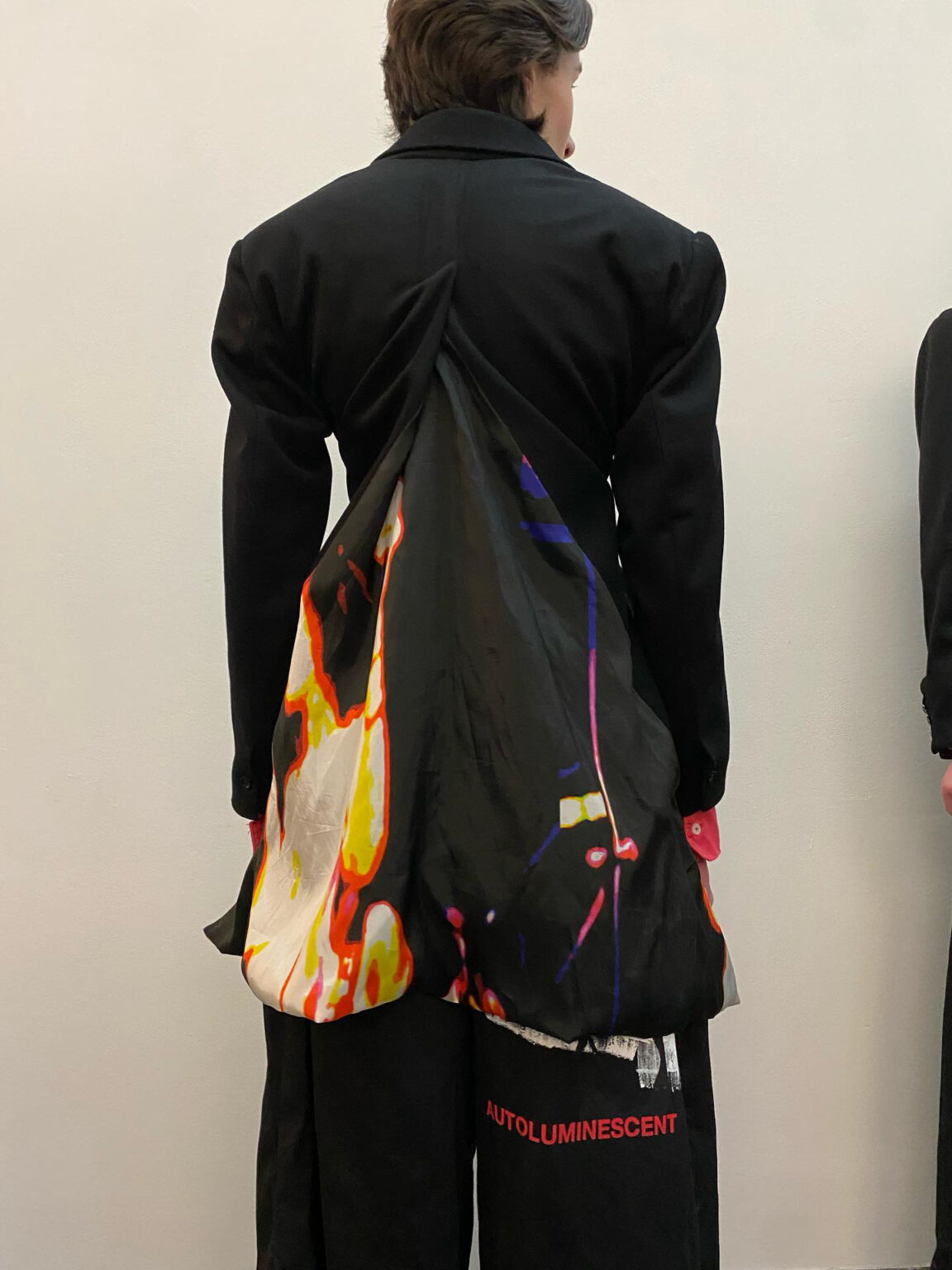
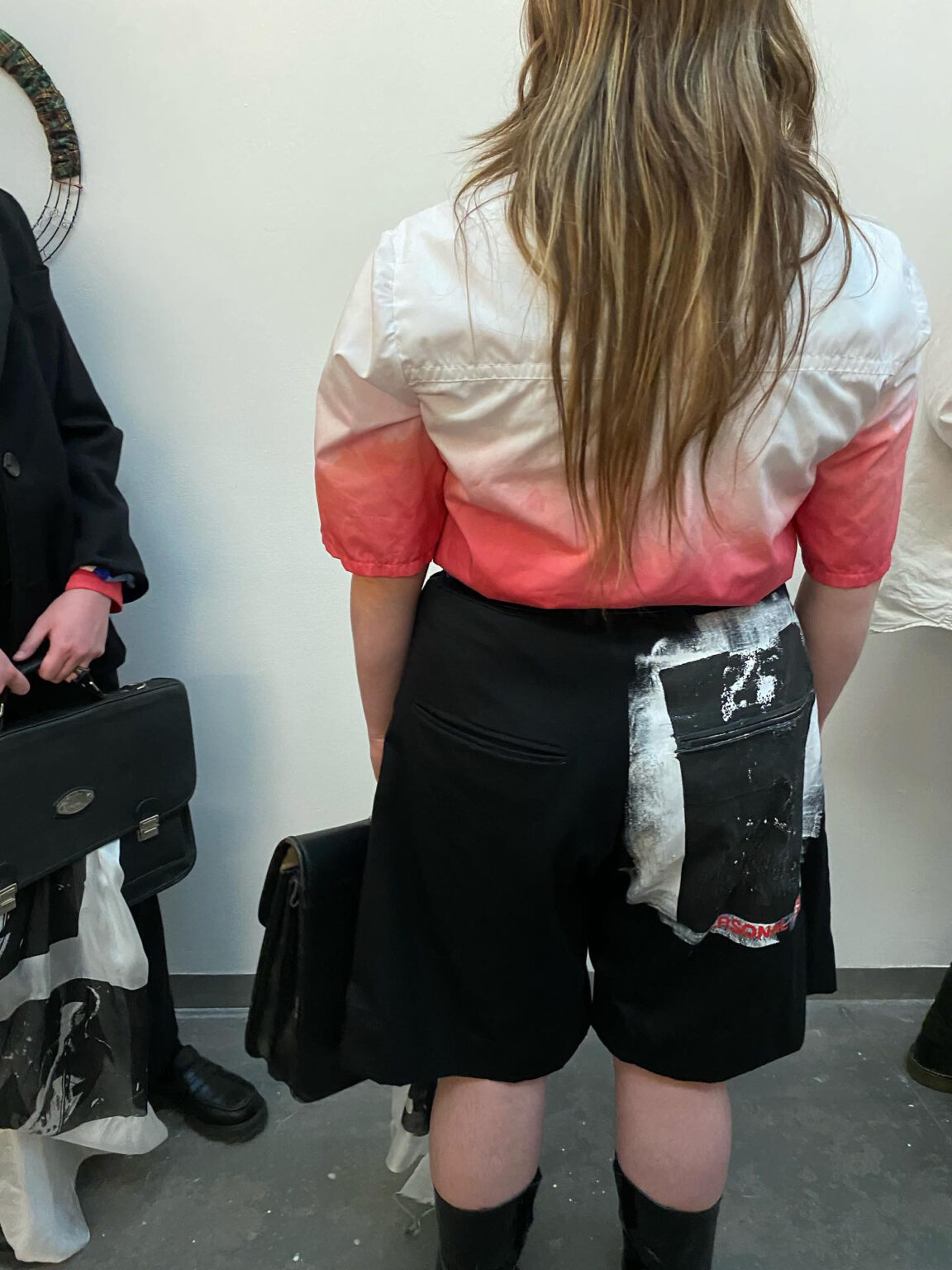
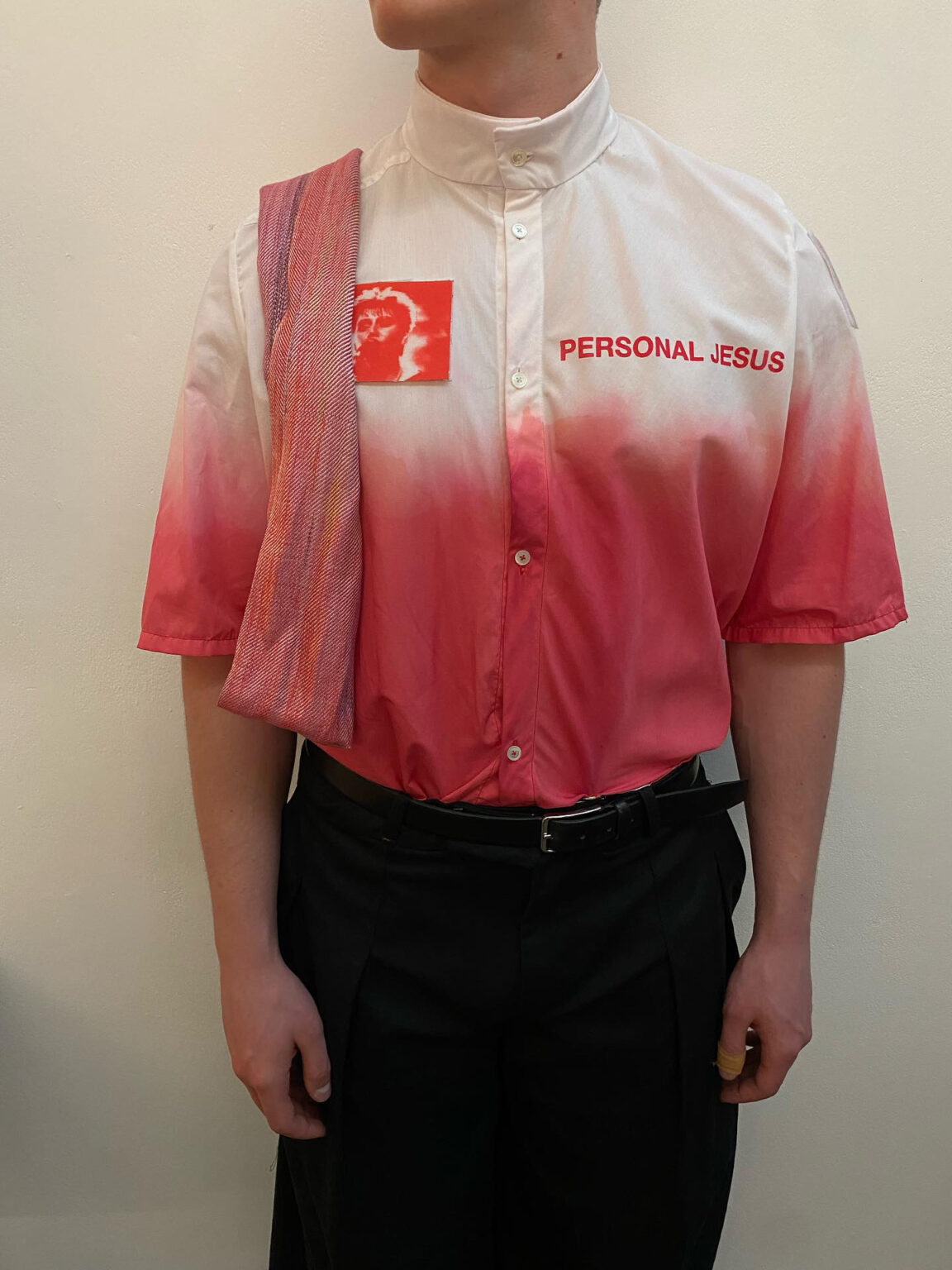
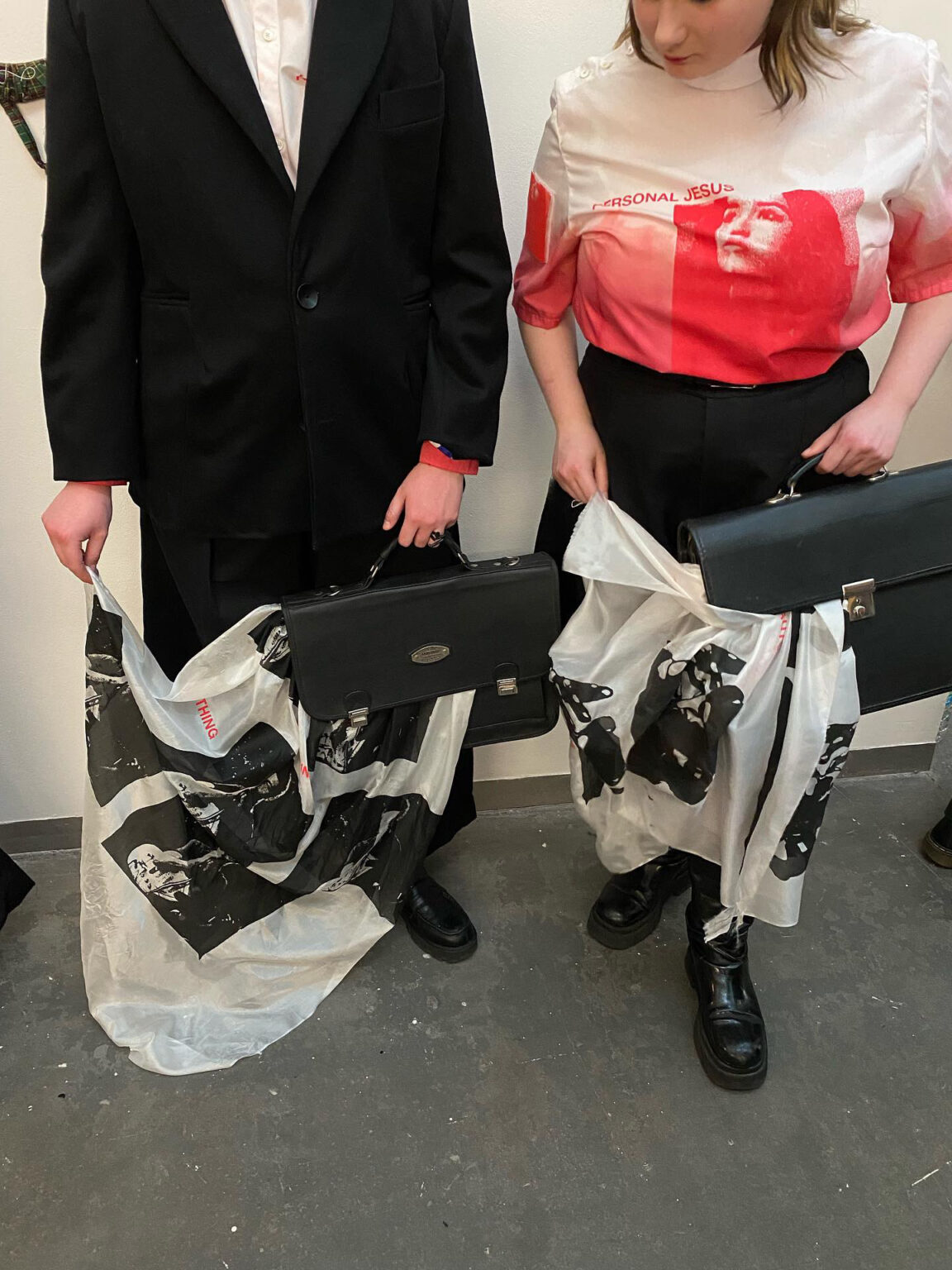
Philip McCallum is a Fashion Designer specialising in Menswear with Print. His work focuses on cut, fabrication, traditional men’s tailoring techniques like canvassing, and printing/dying methods such as screen printing. He takes inspiration from various mediums, such as literature, moving image and photography, which he recontextualises into a fashion context. His graduate collection has been influenced by French sociologist and philosopher Jean Baudrillard, specifically his concept of a “Simulacrum”, a copy of a copy, used addresses mass production and reproducibility, which embodies digital media culture.
Xerox of a Xerox
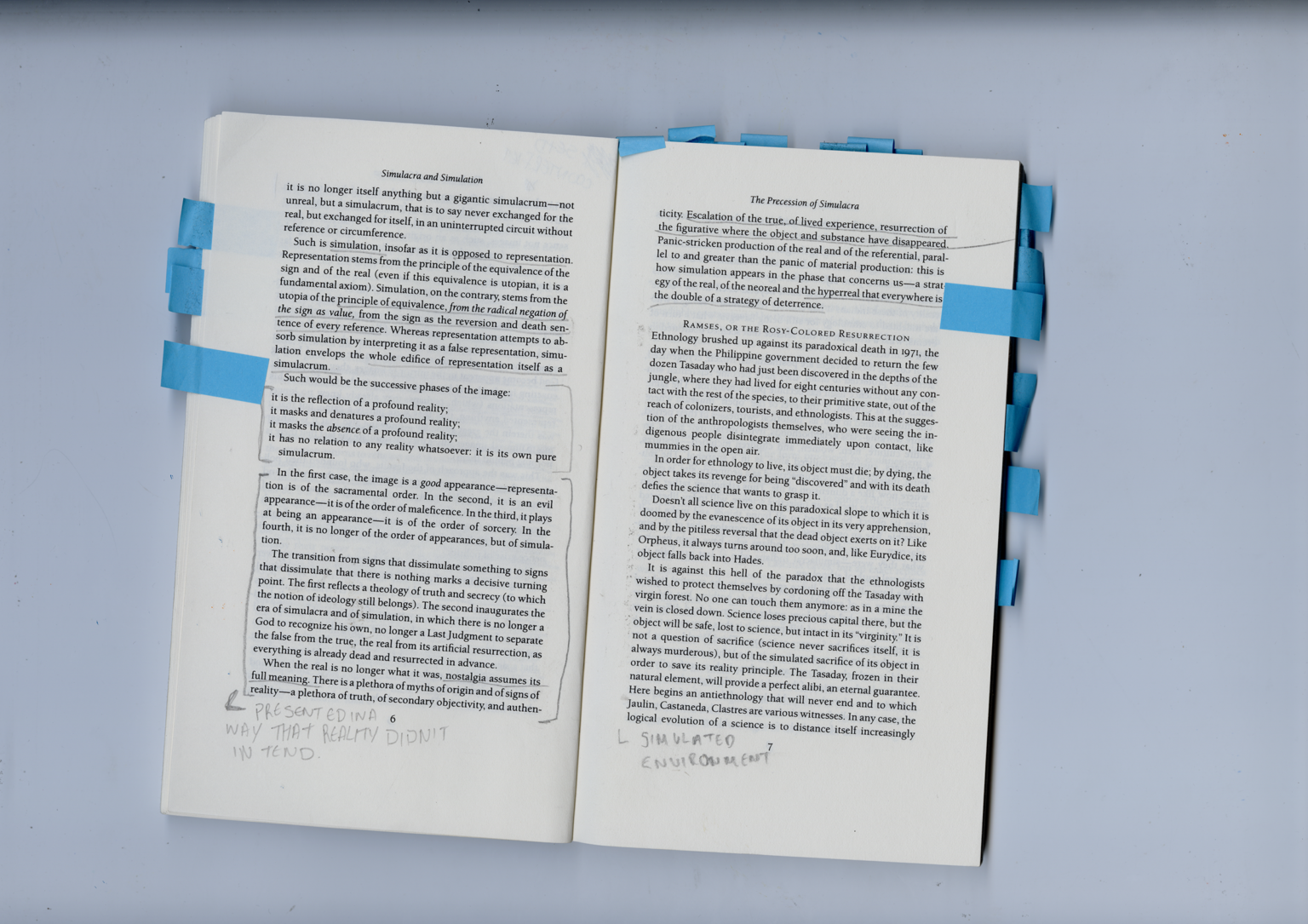
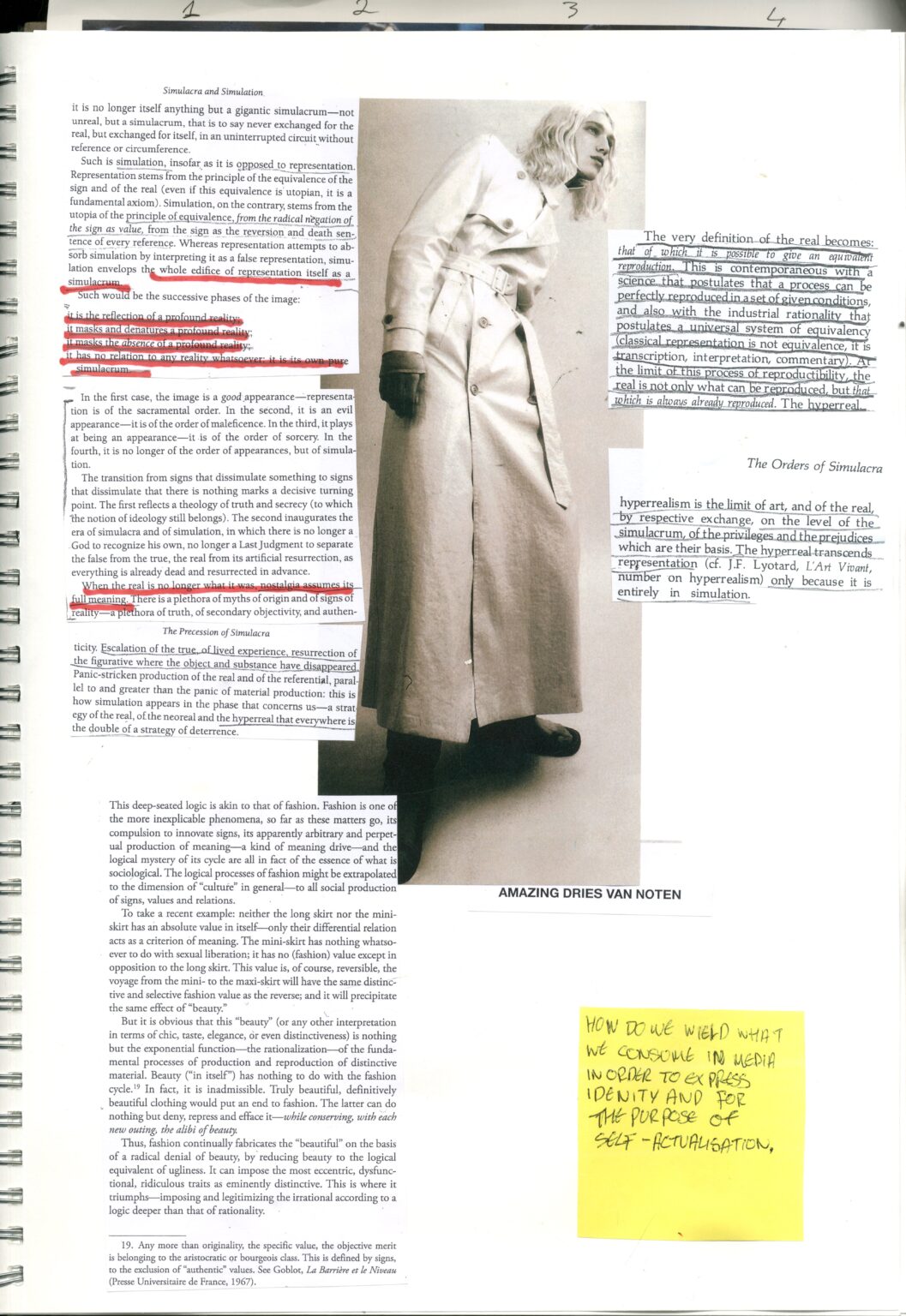
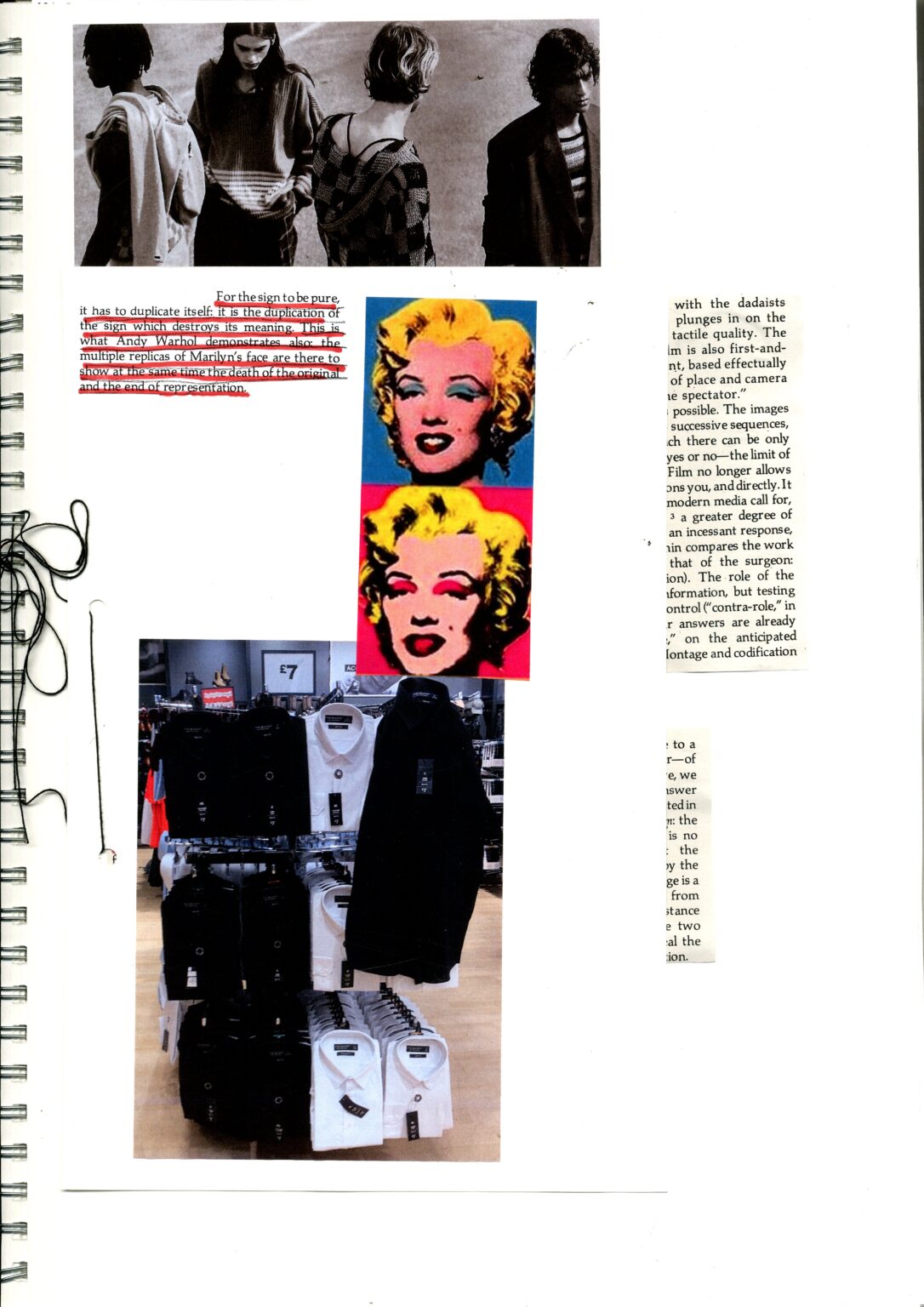
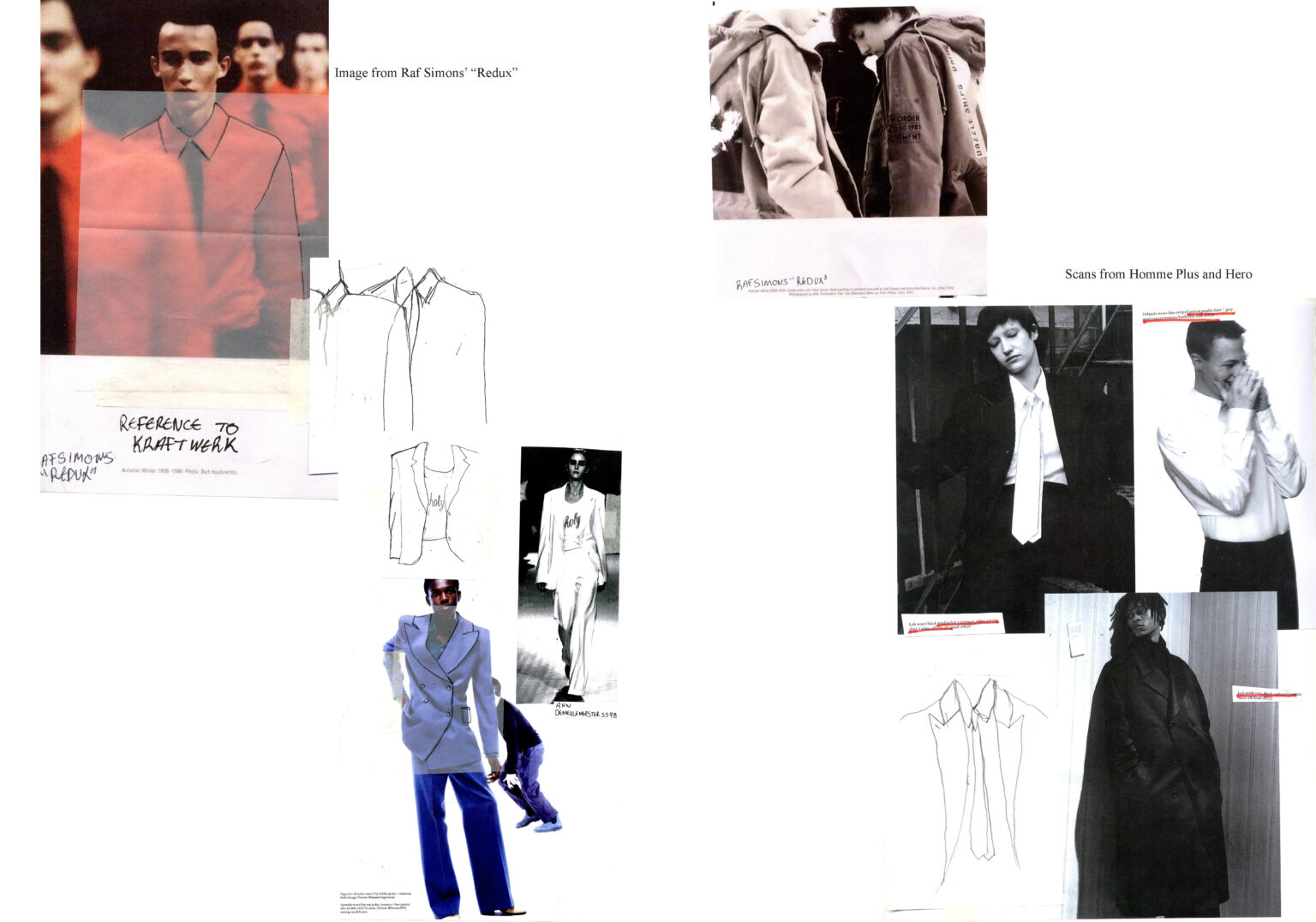
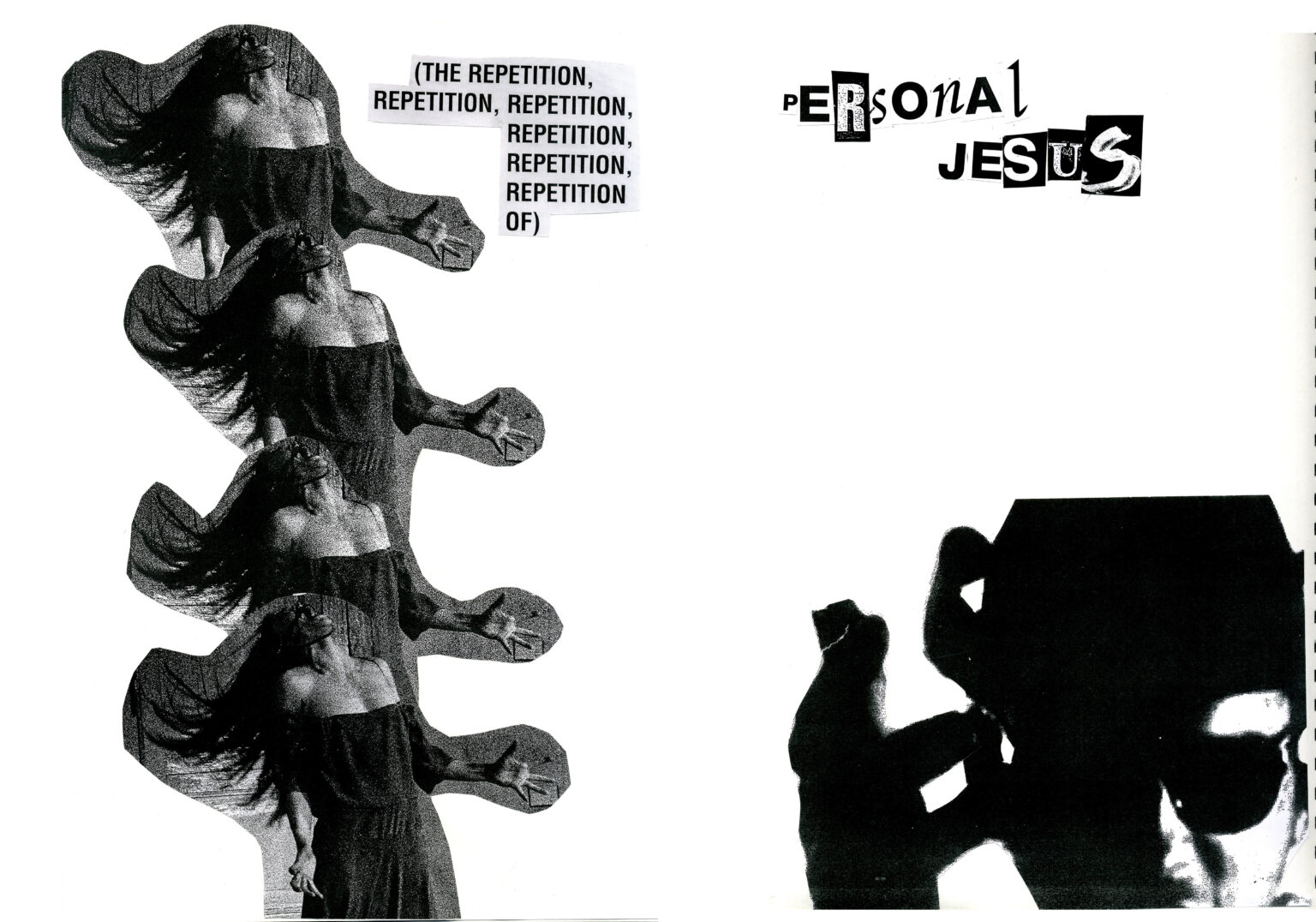
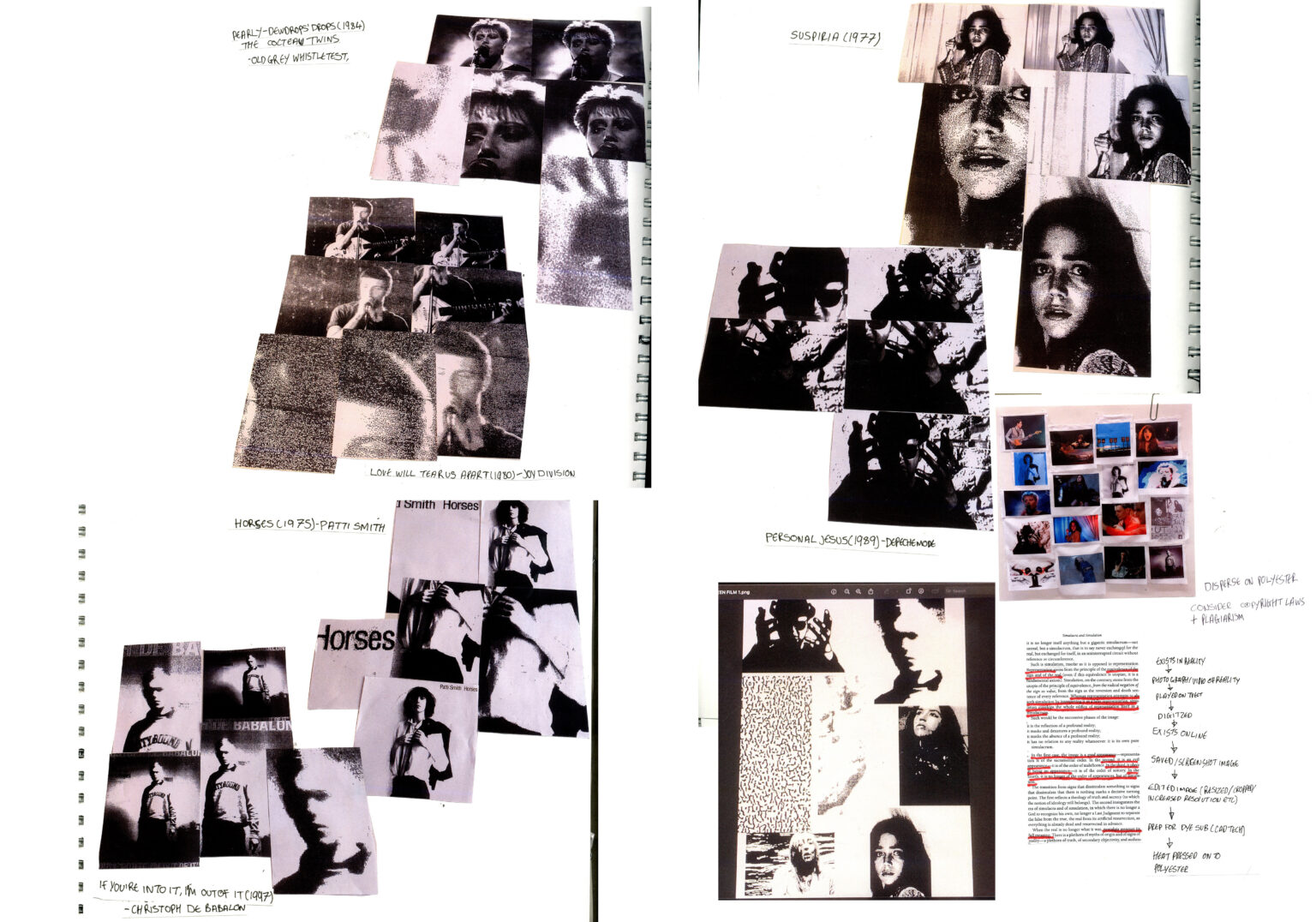
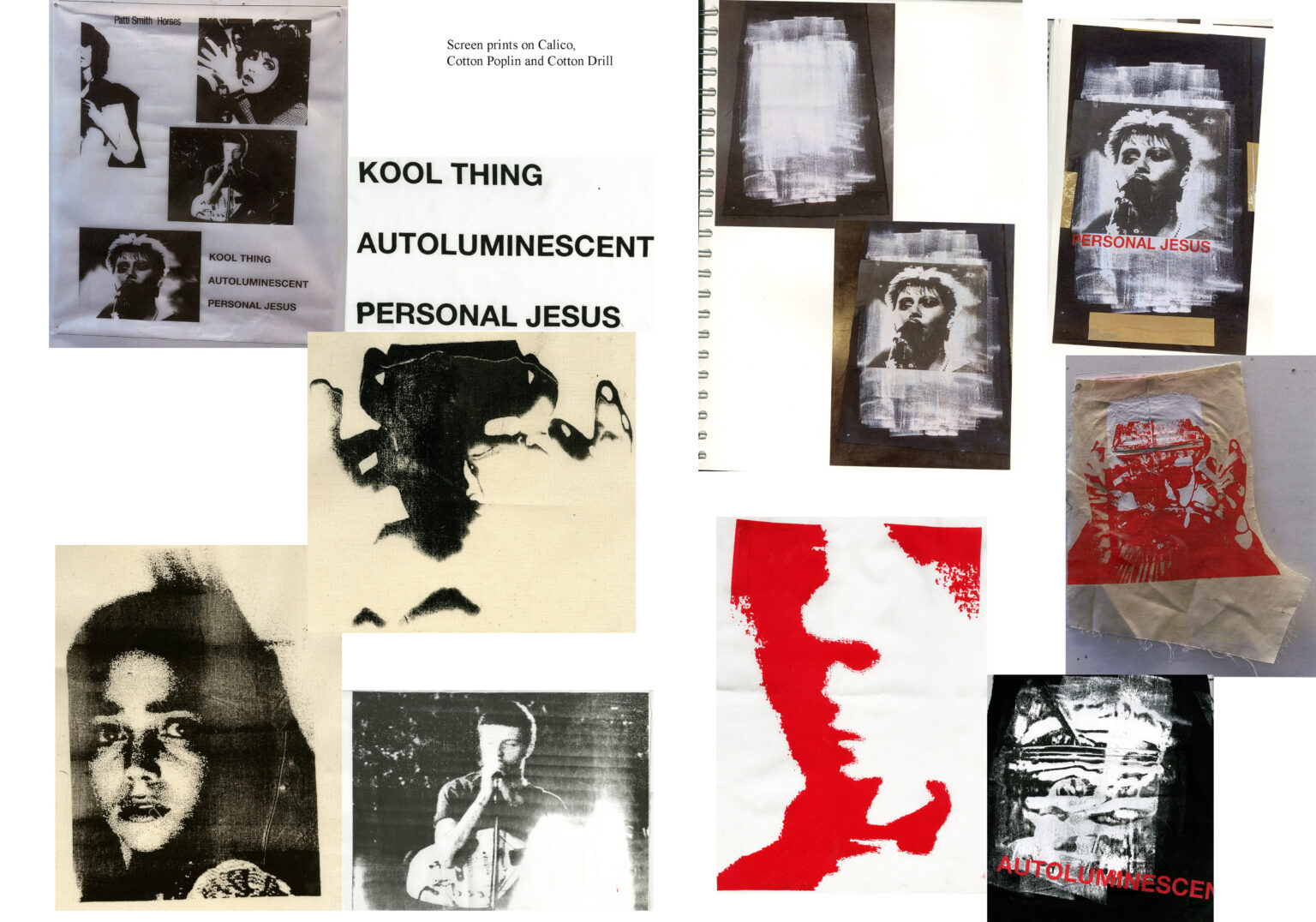
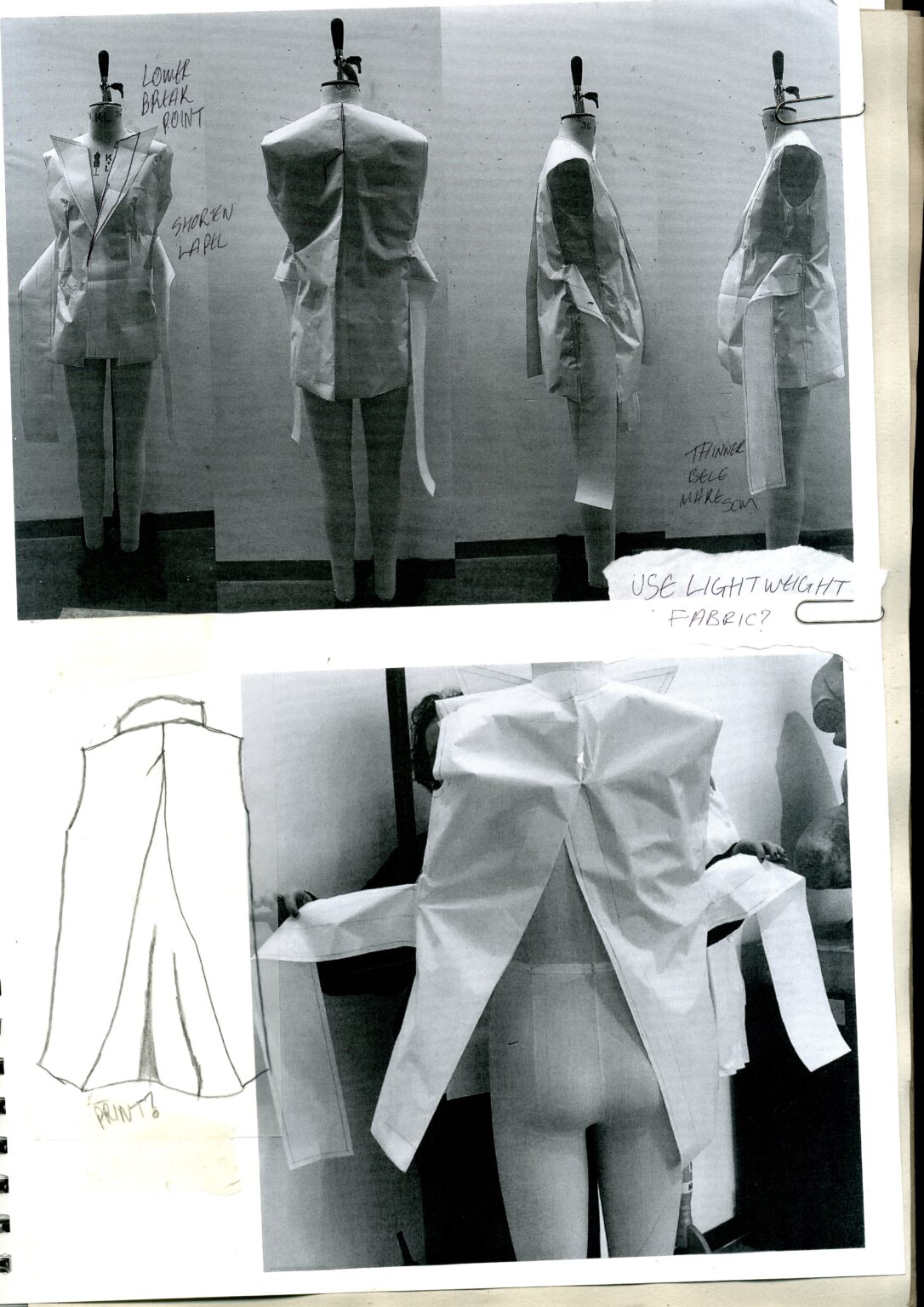
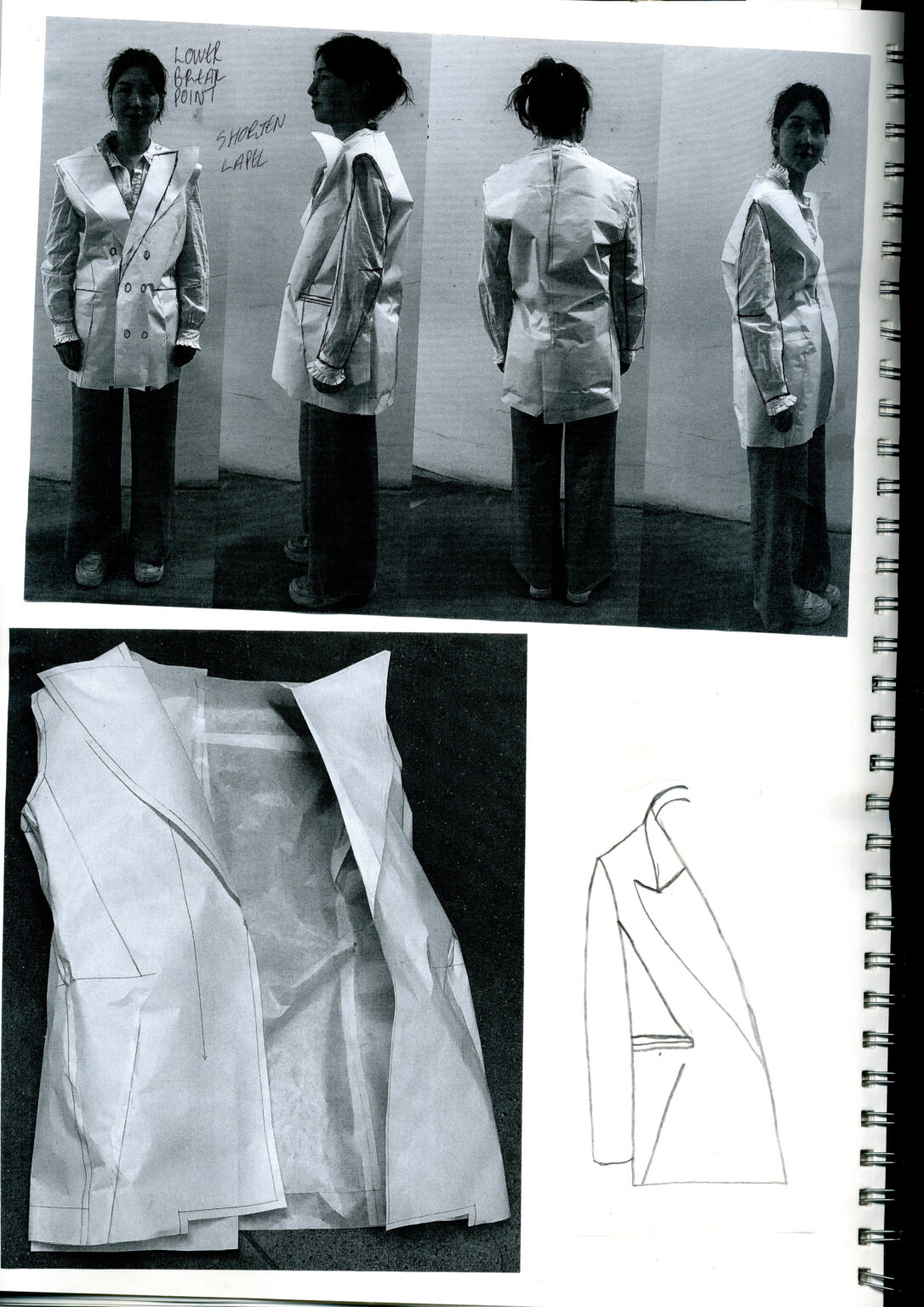
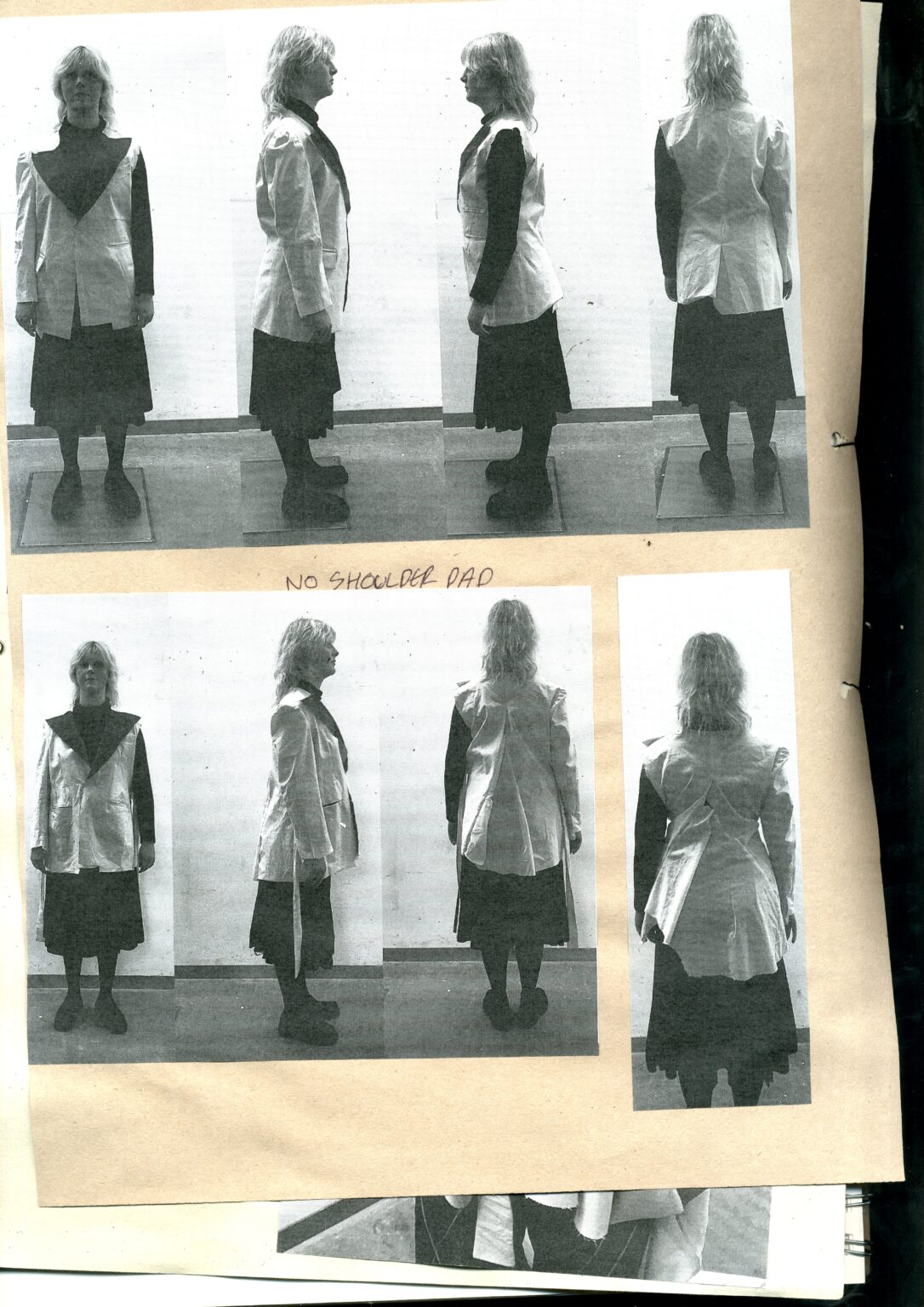
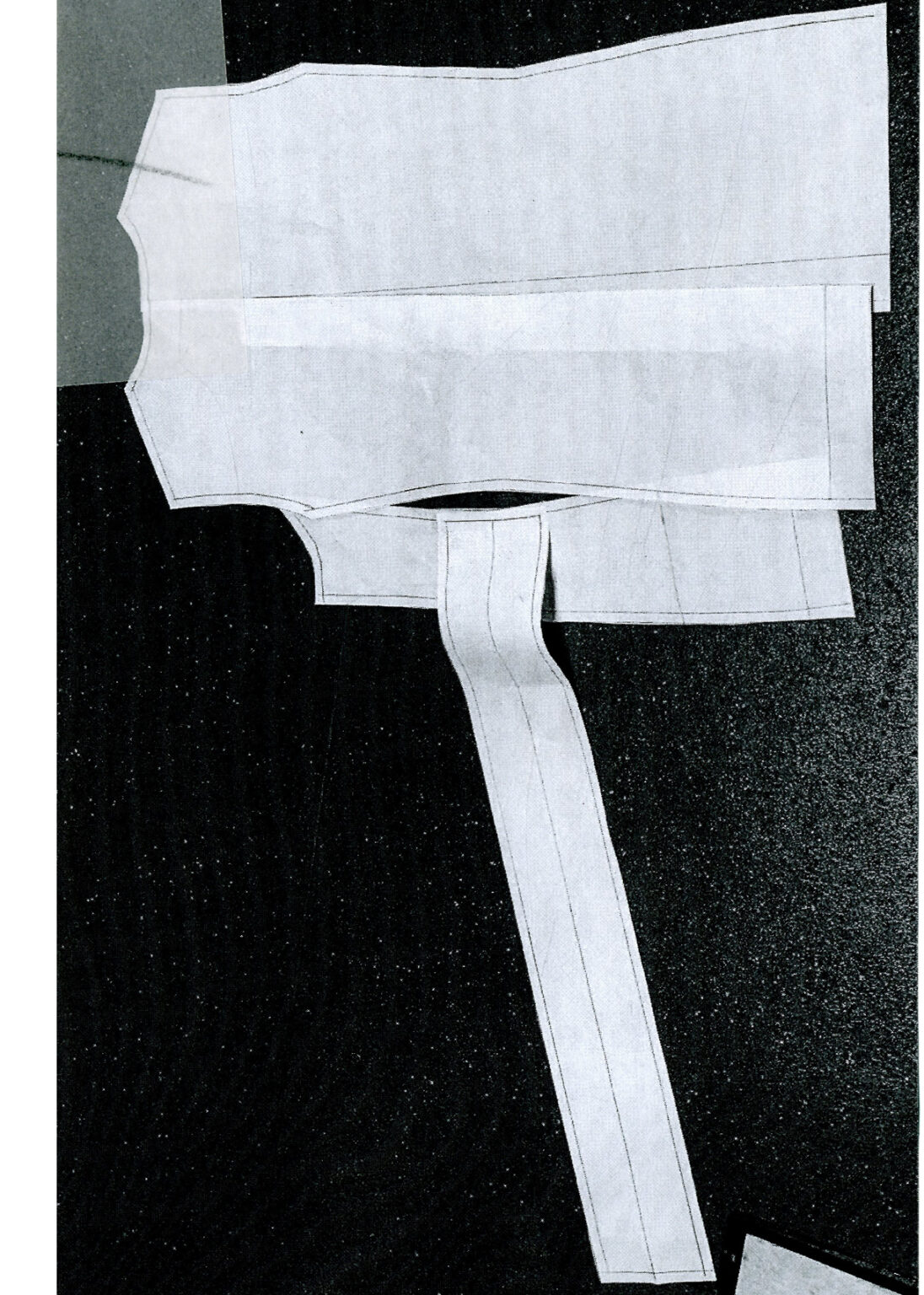
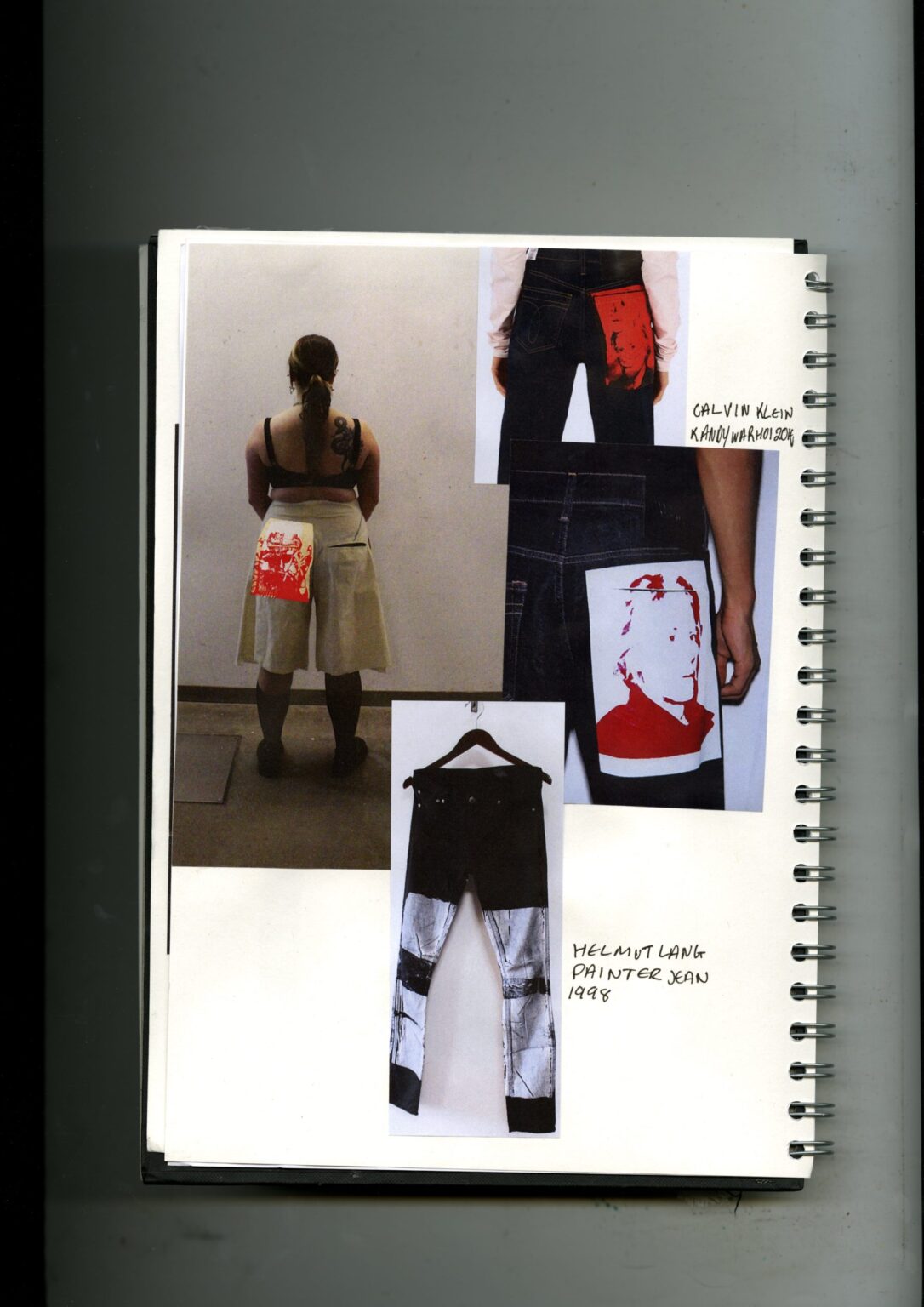
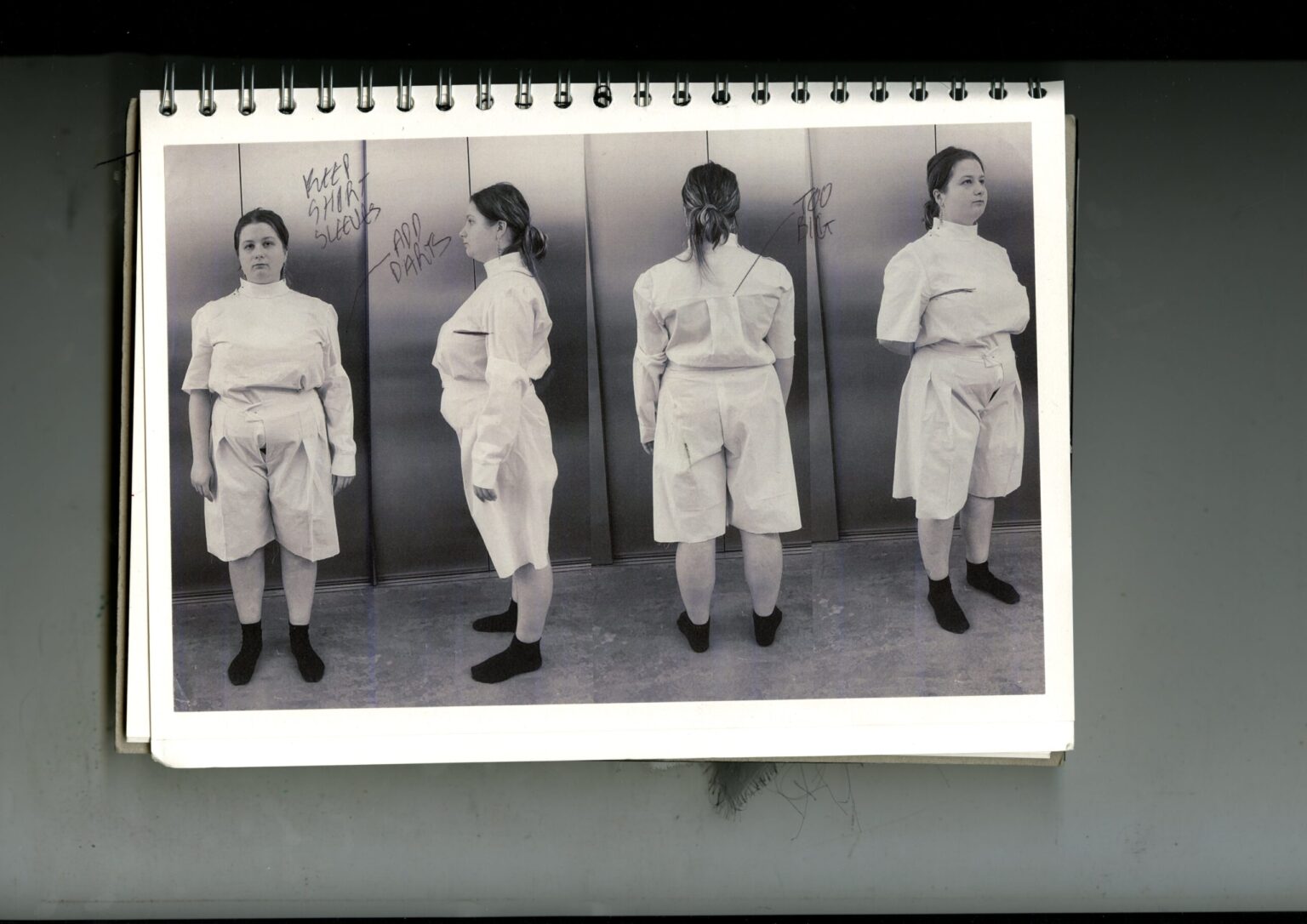
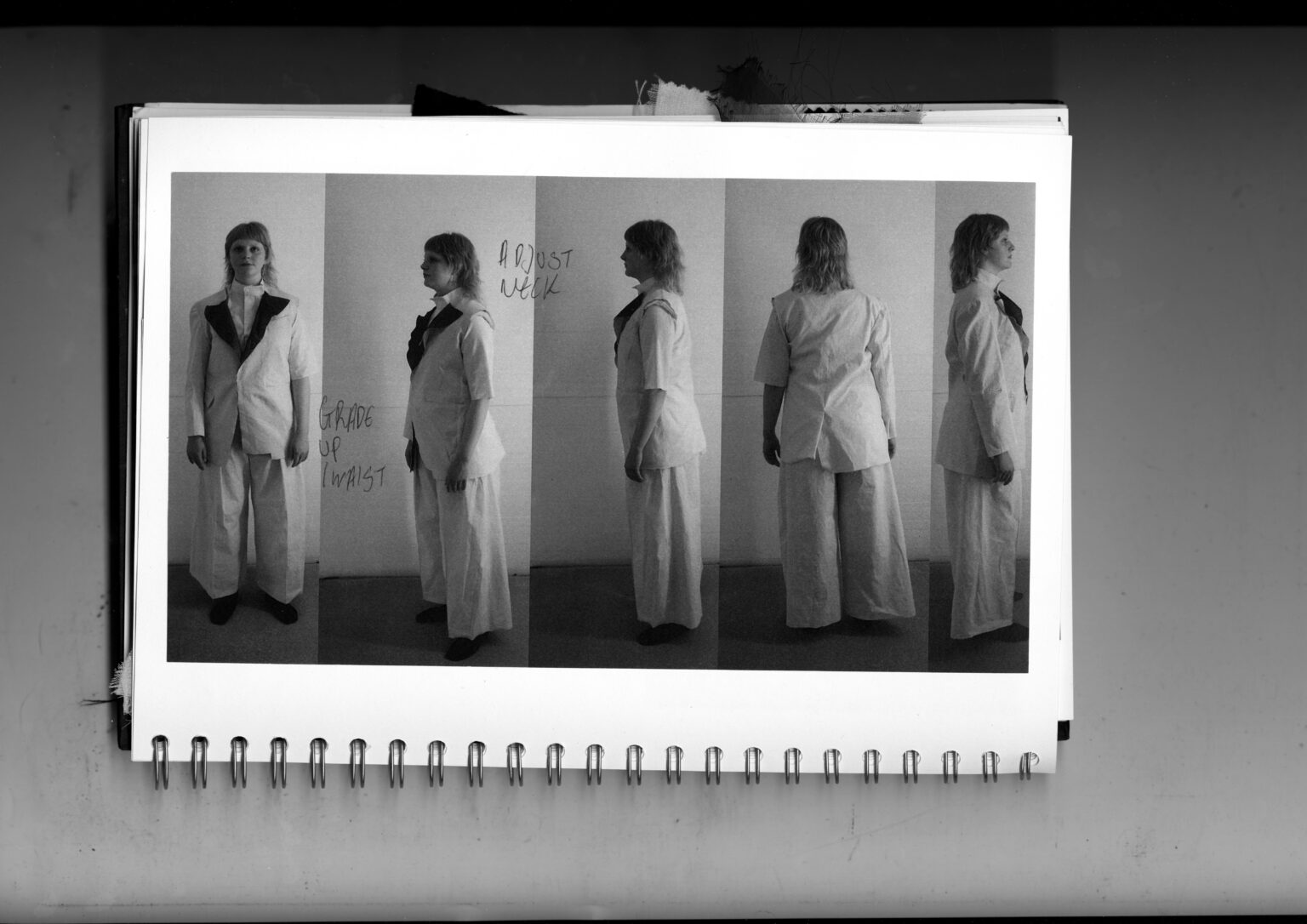
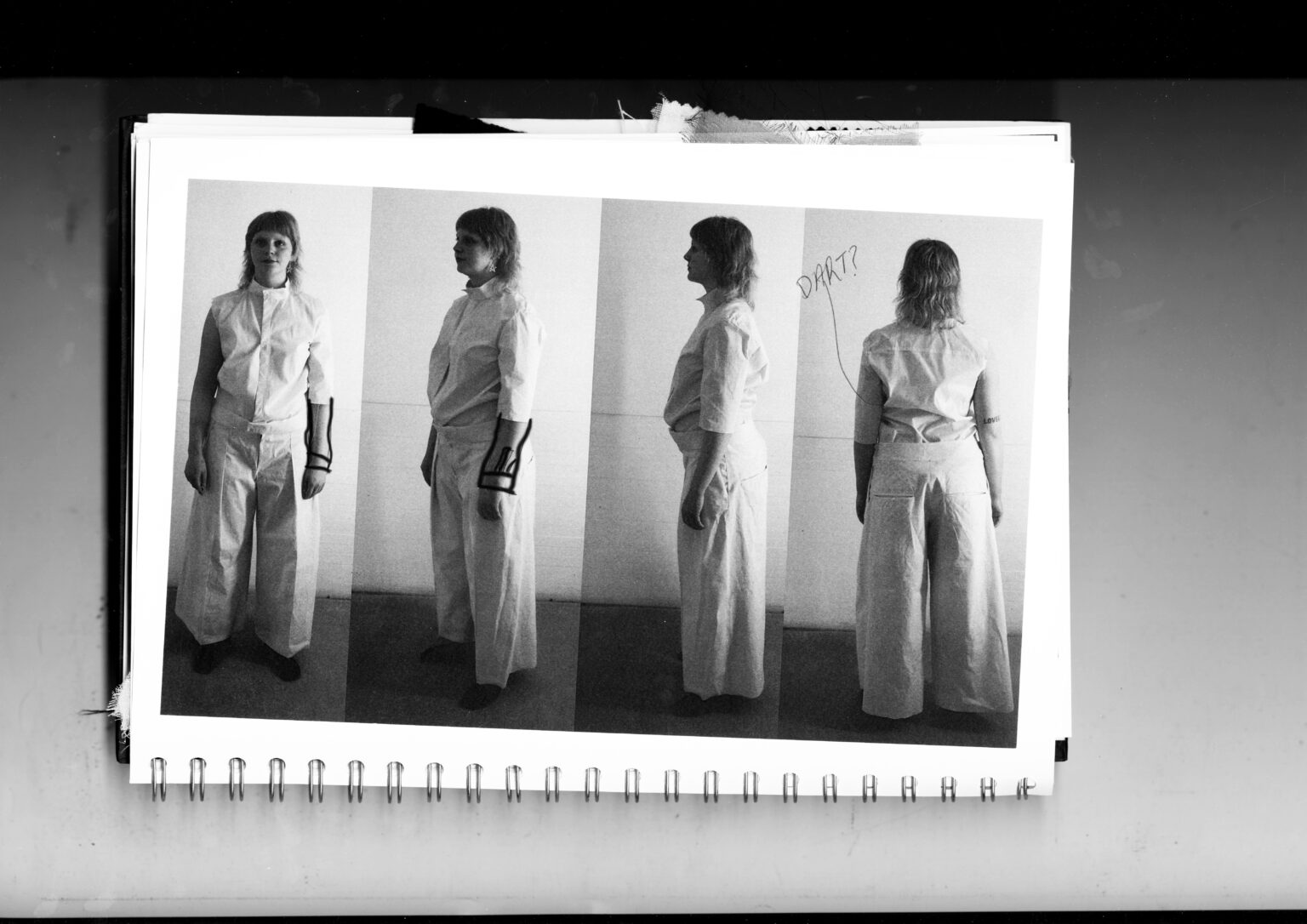
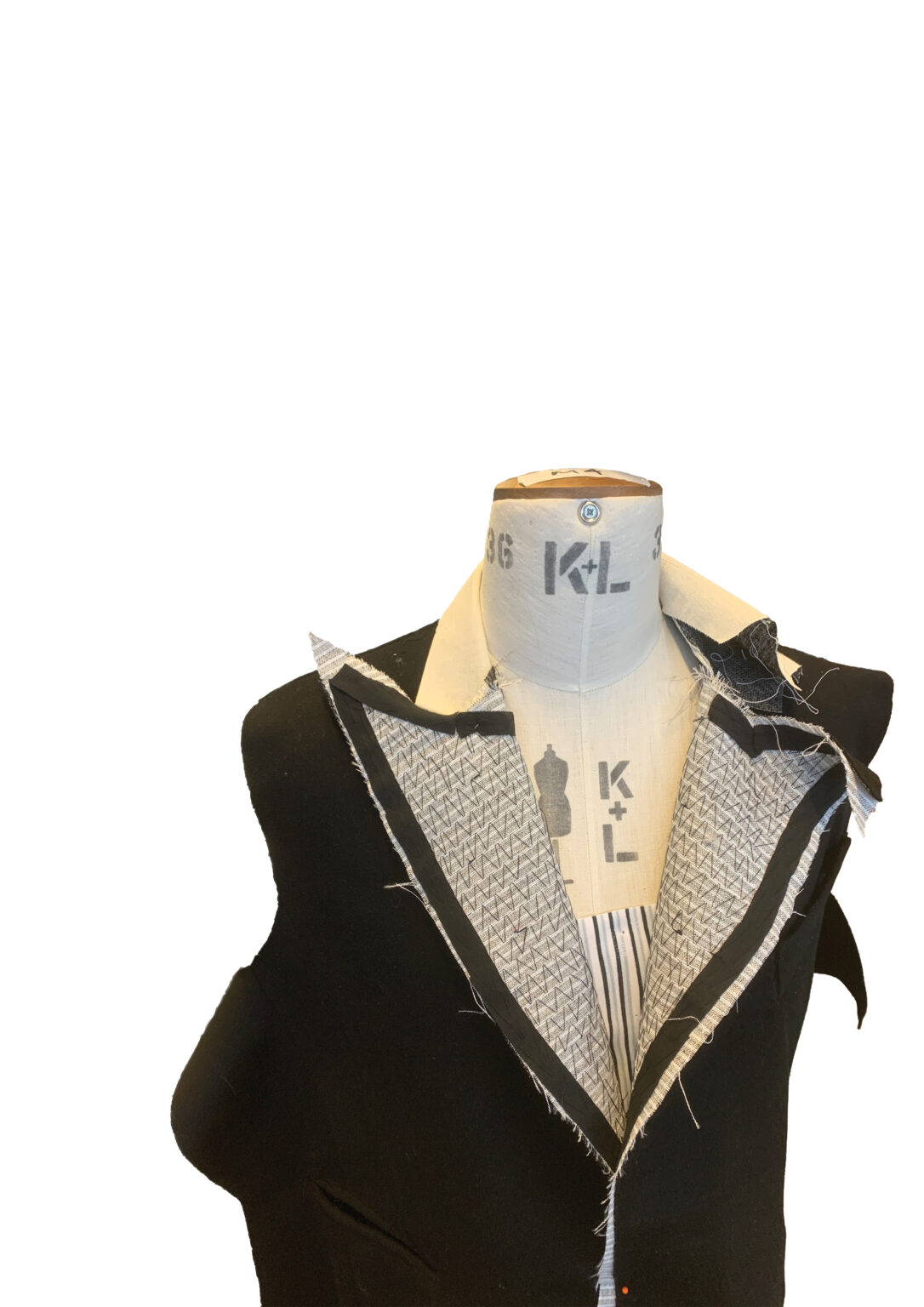
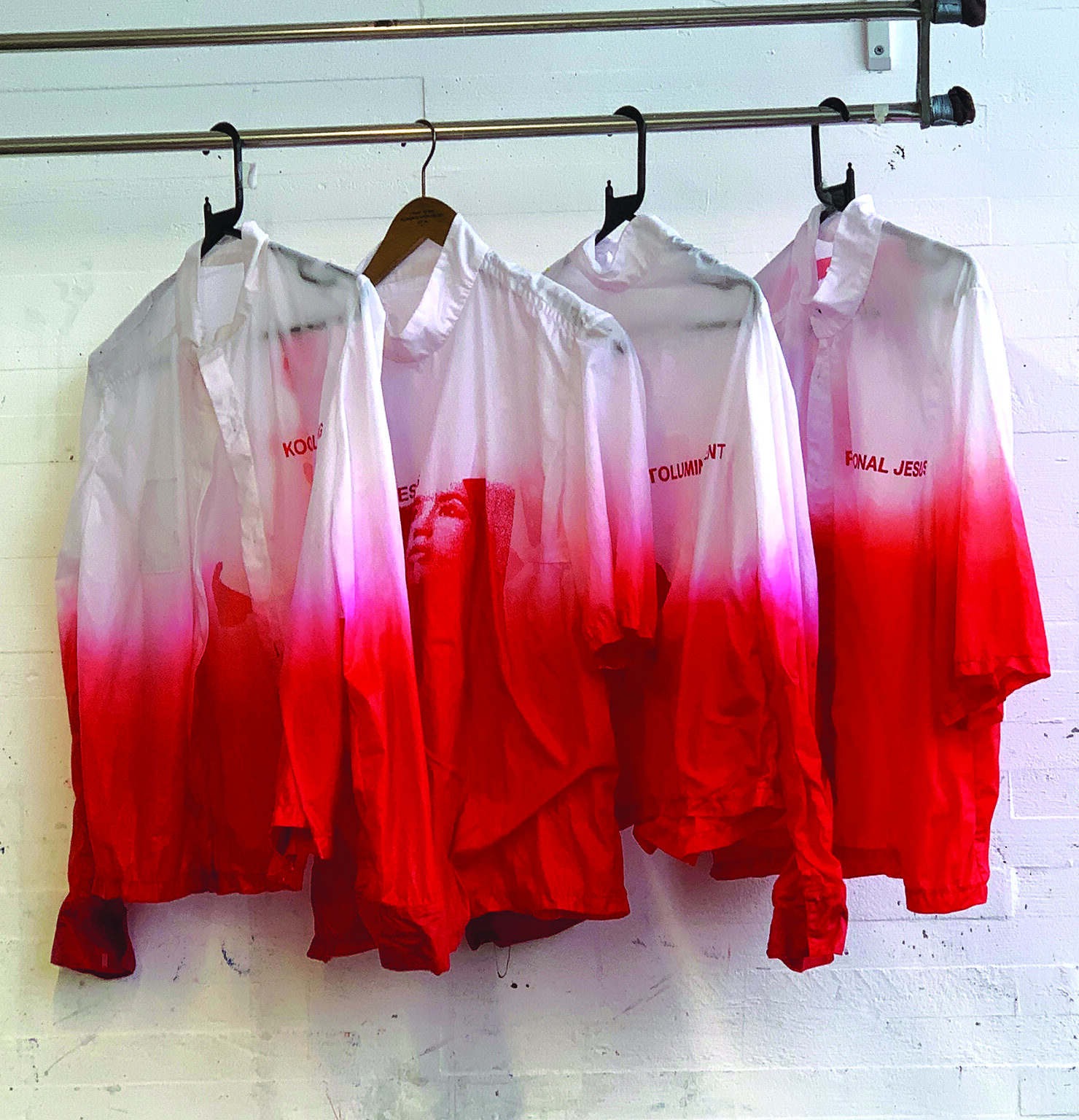
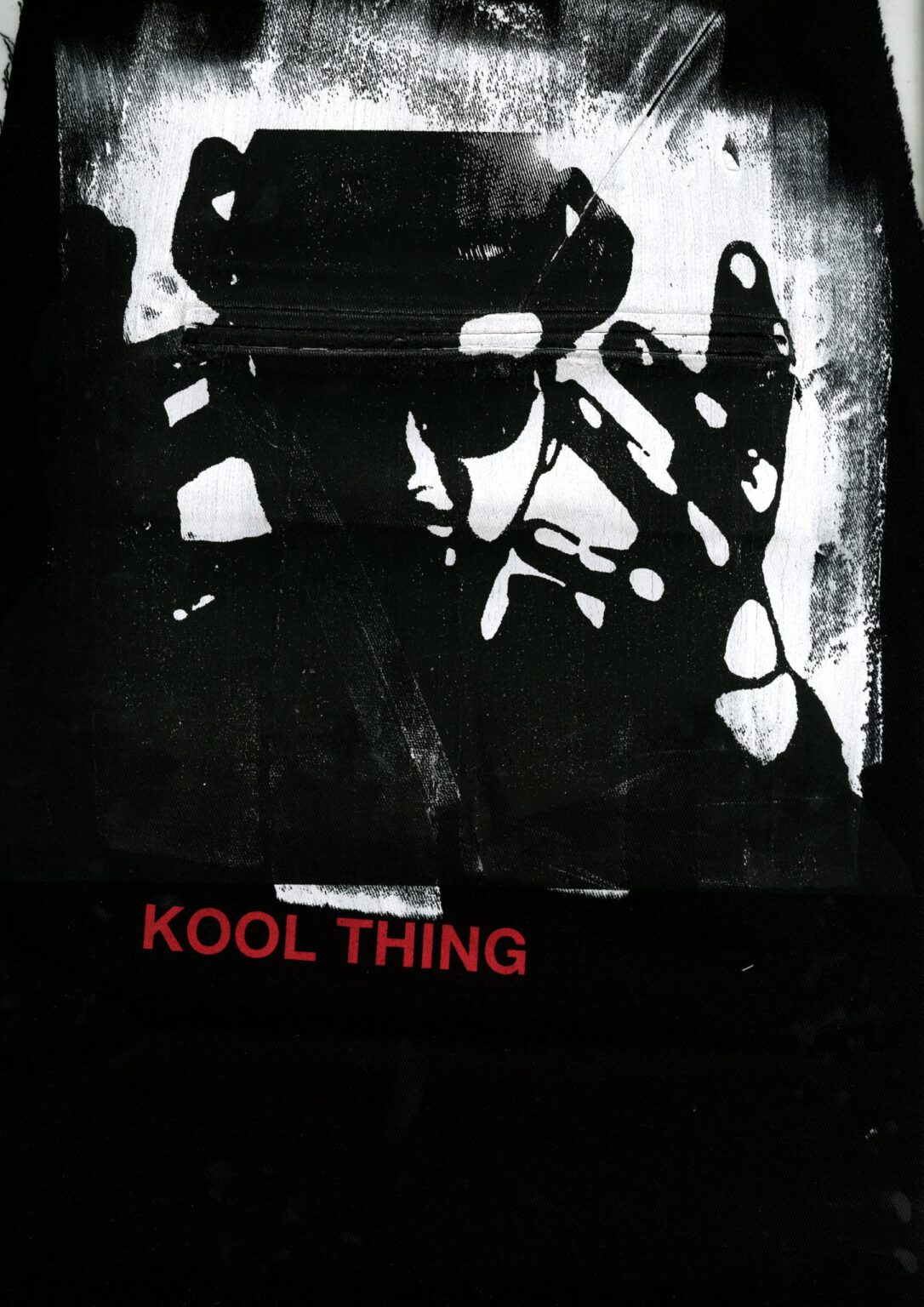
This project came from reading “Simulacra and Simulation” by Jean Baudrillard, a French philosopher, and media critic. I was inspired by his concepts of the simulacrum, a copy of a copy, signs, symbols, and objects used to address mass production/reproduction and reproducibility that characterise our current mass electronic media and capitalist society. An overwhelming amount of content and production of goods defines our current consumer landscape. We consume these copies, signs, symbols and objects through mass media and consumer culture, which we collect and organise to form our identities and worldviews. I am interested in how we consume these copies, signs, symbols, and objects and how we use them to express who we are, consciously or subconsciously. This relates to fashion in terms of mass production, like walking into Primark and seeing the same t-shirt in six different colourways; a lot of garments do the same thing but have semantic differences, such as a t-shirt and a shirt both cover the torso, but one has a collar, cuffs, placket and so on. I would subvert this in my collection by manipulating details such as darts and looking at combining seam lines to create one-seam garments. I will also be including print work related to music videos, film, and album covers as a literal nod to moments in time, craft is at the heart at my work employing traditional men’s tailoring methods and techniques such as canvassing.
Digitally Printed Scarfs
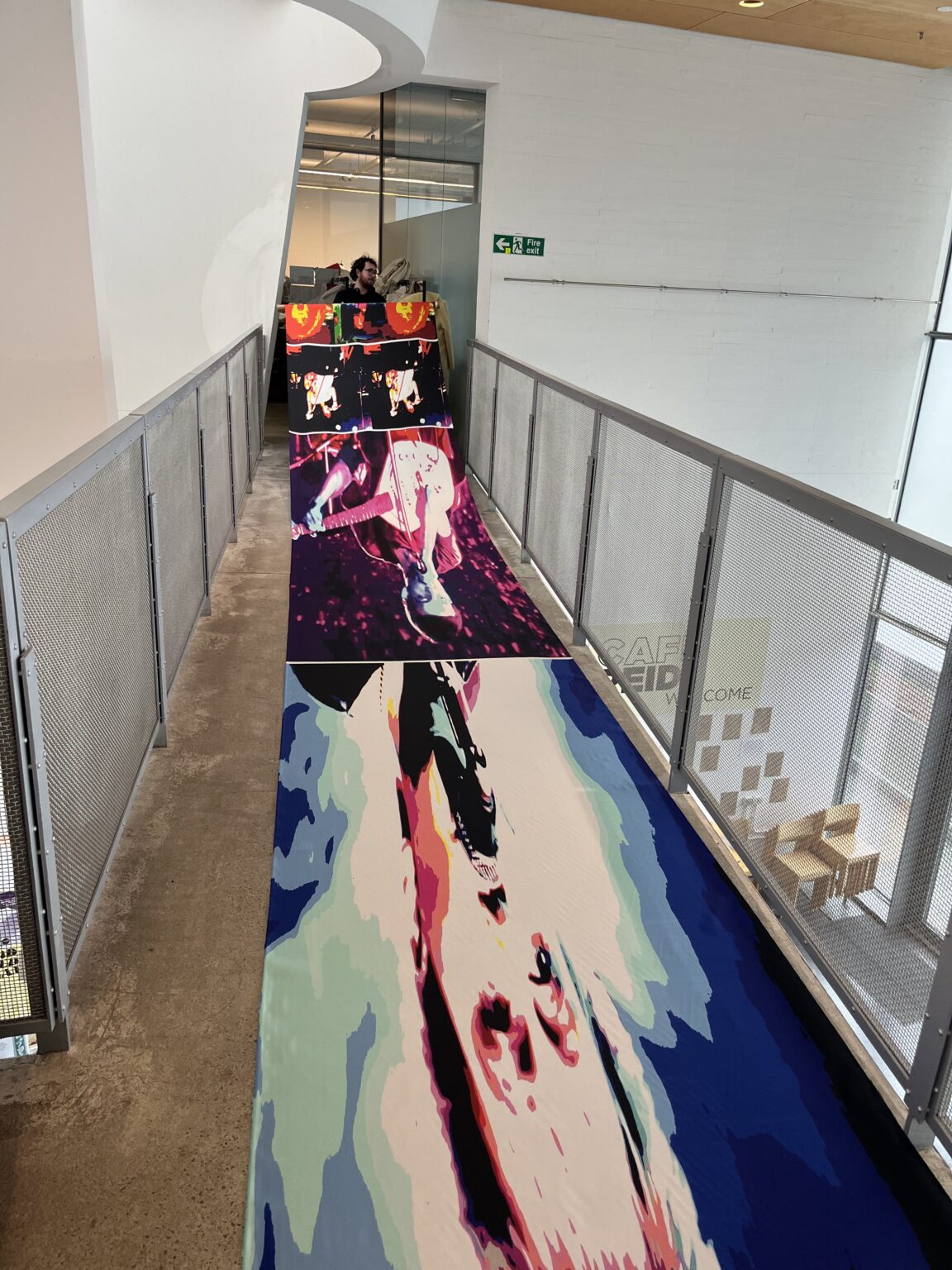
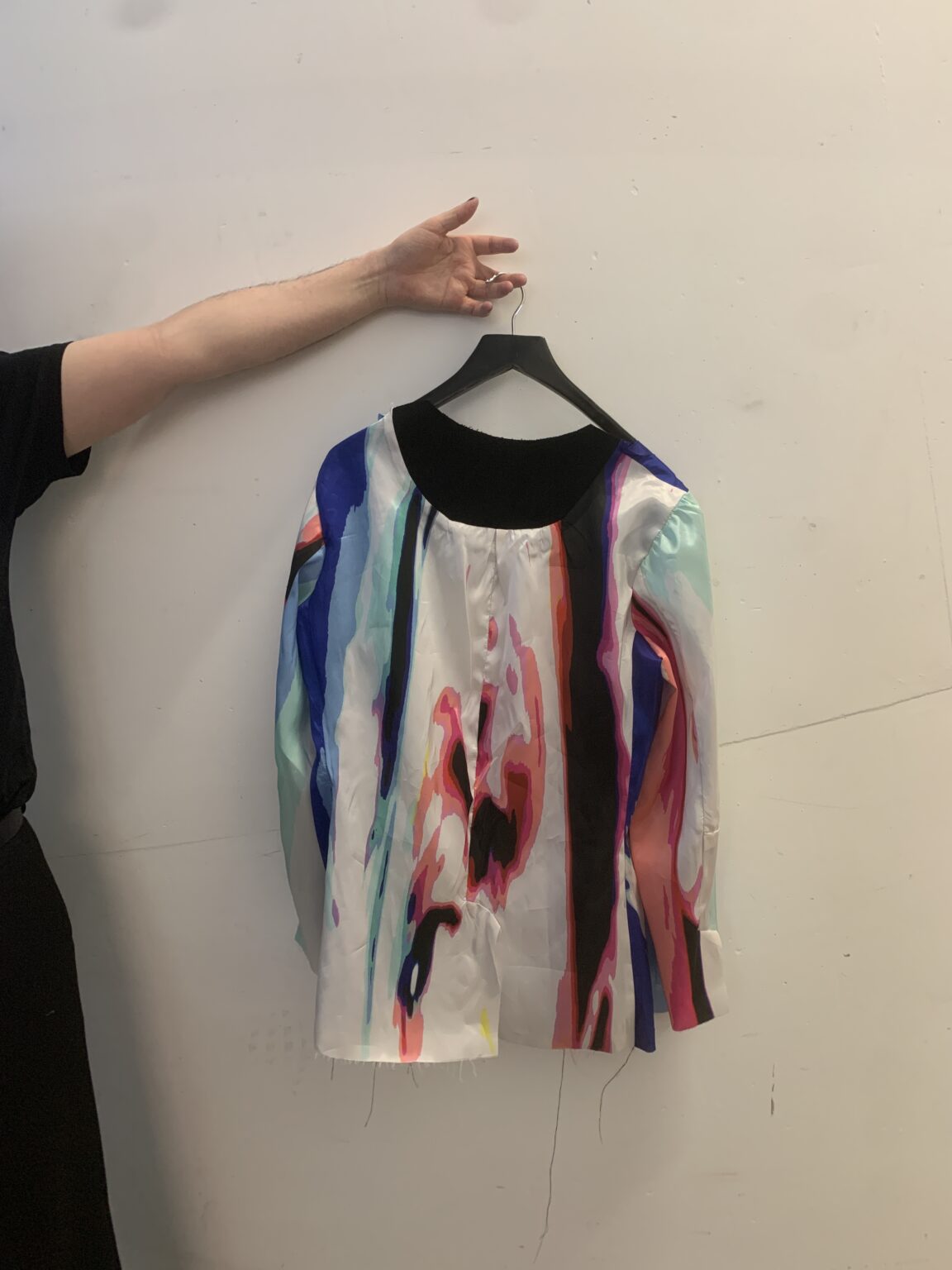
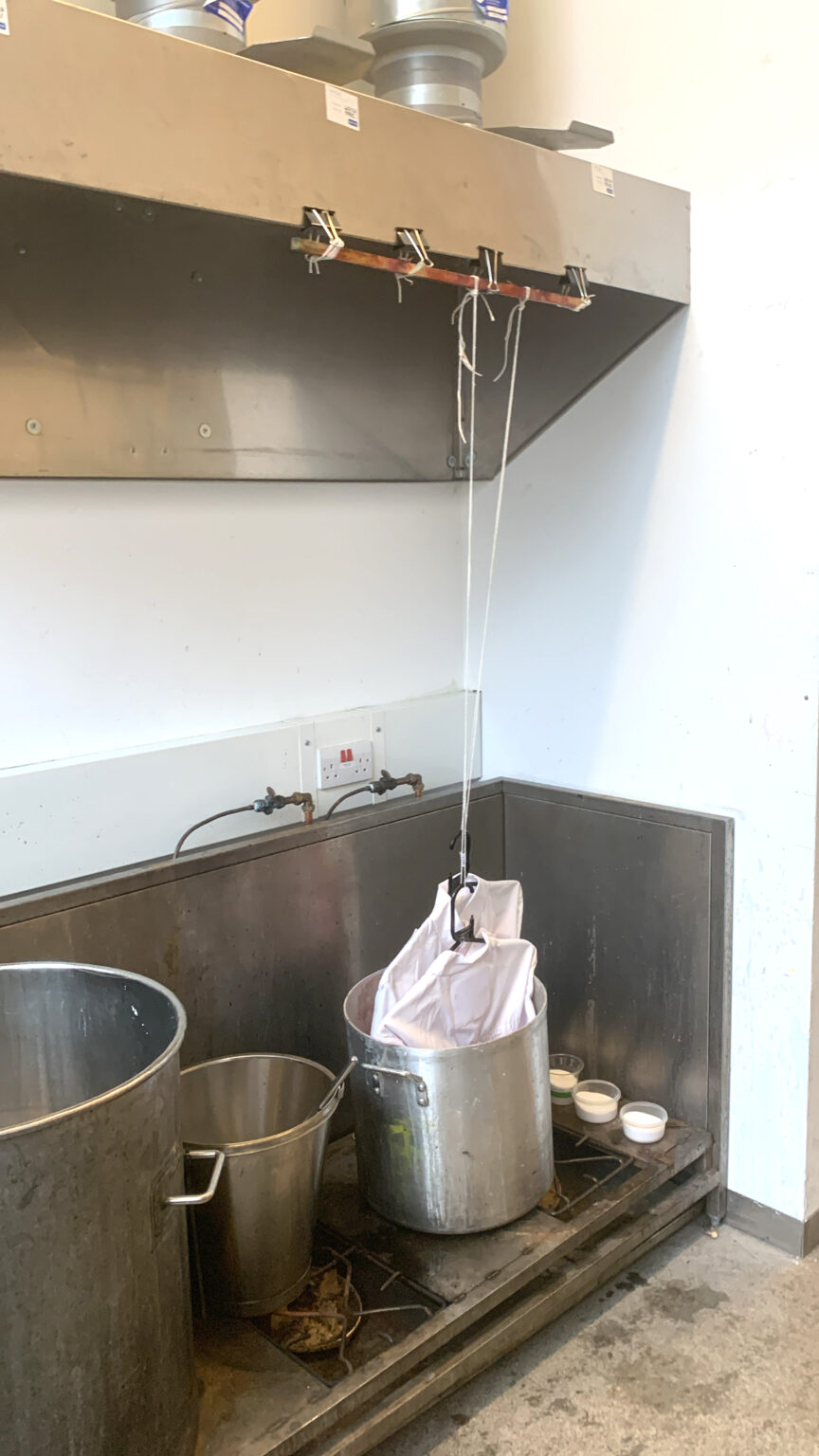
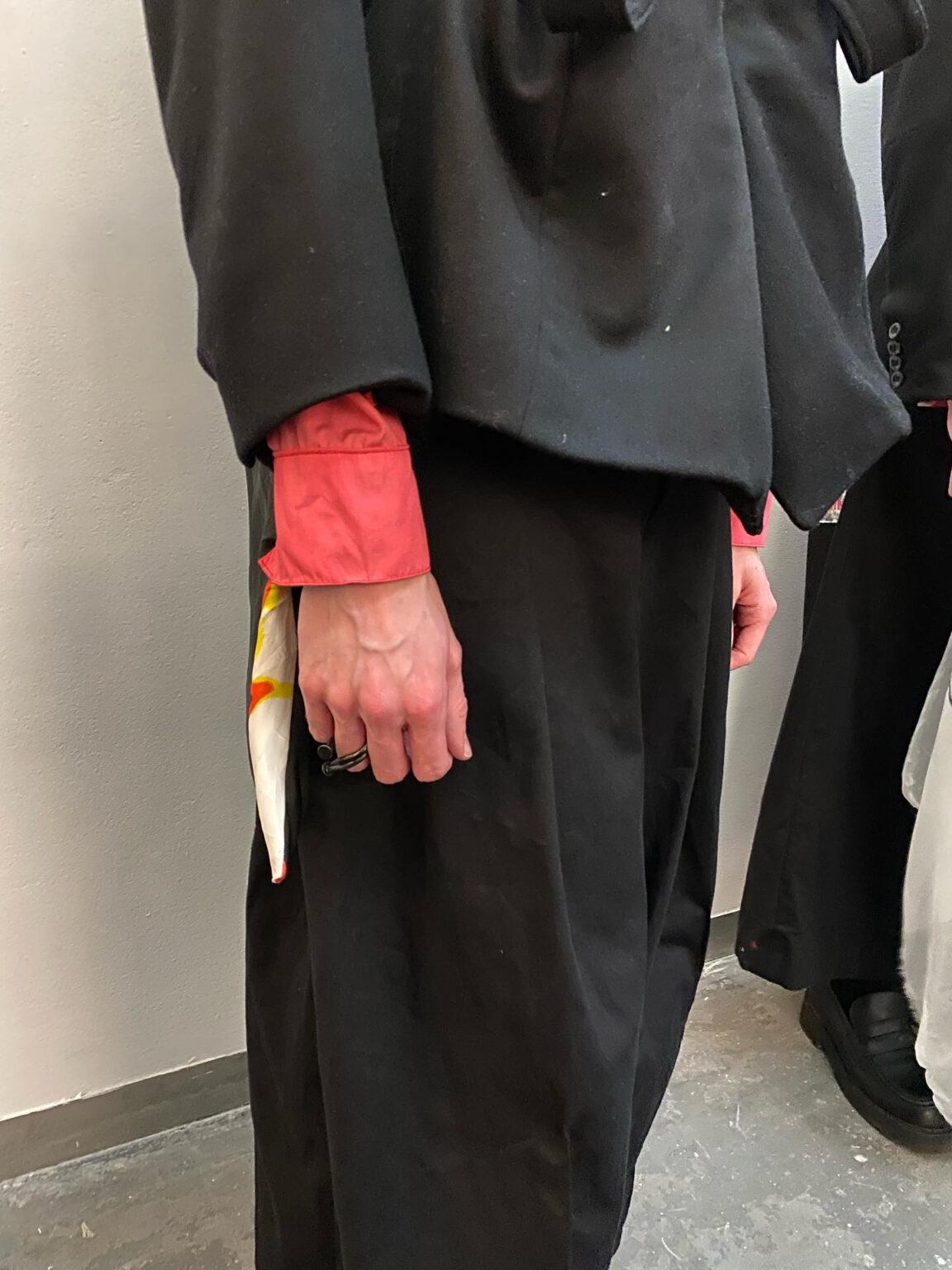
For this collaborative project, working with a fashion student who is a print specialist and a weave specialist to explore different ways of getting colour onto a woven fabric using printing and dyeing processes. The design and production process has been separated into segments supporting our specialisms. Our aim for the project was to create a contemporary bespoke product that utilised modern equipment by minimalising wastage in water and dyes. We want to create a timeline and transparency within this process and create unique pieces related to our collections. Documentation of the collaborative process has been key to developing a completely transparent production that allows the wearer to be part of our process.


